Gen Z has aced the game of memes!
There’s nothing more fun on the Internet than trending memes, don’t you agree?
Short Summary
- Meme marketing works because people love humor and relatability more than traditional sales pitches
- There’s a fine line between funny and cringe, and brands must avoid trying too hard or sounding out of touch
- Successful meme strategies start with defining an authentic brand personality and tone
- Brands need to understand their niche online communities and use memes native to those spaces
- Common mistakes include forcing trends, over-explaining jokes, using corporate language, misusing slang, or posting too late
Let’s talk about a recent incident. Stranger Things season 5 vol. 2 just dropped, and my Instagram is full of memes, and they’re not wrong in making fun!
Vol. 2 was a snoozefest!
View this post on Instagram
Other than this, there are many instances when meme marketing drives a lot of attention to a product or a service because people love a silly laugh on the Internet!
However, there’s a thin line between good memes and cringe memes. You have to find that line; otherwise, you might just look like a boomer trying hard to fit in with the Gen Zs.
Don’t worry, I’ll teach you how to do that!
![How to Do Meme Marketing Without Being Cringe in [current_year] 4](https://www.socialchamp.com/wp-content/uploads/2024/07/Calendar-v2.png "How to Do Meme Marketing Without Being Cringe in [current_year] 5")
That joke won’t land tomorrow. Social Champ helps you hit publish at peak relevance, not three trends too late.
What Is Meme Marketing?
First, let’s talk about the basics!
Think of meme marketing as the inside joke of the business world.
At its core, it’s just using culturally relevant images, videos, or phrases, usually laced with a bit of humor or irony, to promote your brand.
But honestly, that definition feels a bit too textbook, doesn’t it?
In simple words, meme marketing is about speaking the same language as your audience.
Instead of forcing a sales pitch down someone’s throat, you’re sharing a relatable moment that makes them go, “Okay, they actually get it.”
Meme marketing assures the audience that you’re not just a brand trying to sell, but that you’re just like them and find the same things funny!
But you need to know how to do it right!
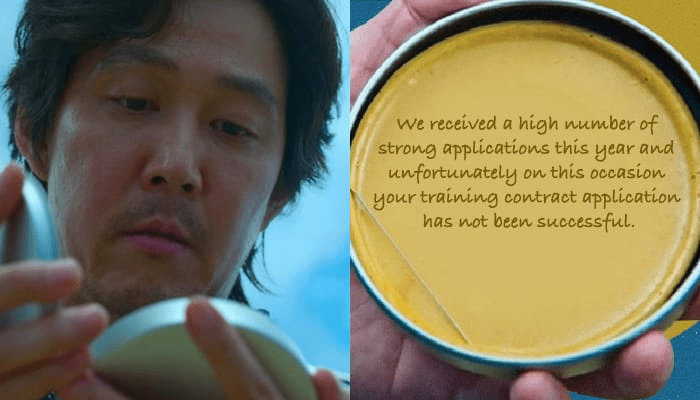
Featured Article: Things to Learn from Netflix Marketing
How to Create a Meme Marketing Strategy for Your Business
Memes are chaotic by nature, but if you want to use them for business without looking like you’re trying too hard, you need a game plan that doesn’t feel like a corporate spreadsheet.
Here is how you build a strategy that actually sticks:
-
Find Your Brand’s Internet Persona
Before you post a single thing, you have to decide who your brand is when it takes its tie off.
Are you the witty best friend, the chaotic neutral observer, or the helpful expert who isn’t afraid to poke fun at the industry?
If your brand is usually buttoned-up and suddenly starts posting deep-fried, surrealist humor out of nowhere, your audience is going to get digital whiplash.
Your strategy starts with defining a voice that feels authentic to your brand’s soul, just… a little more unhinged.
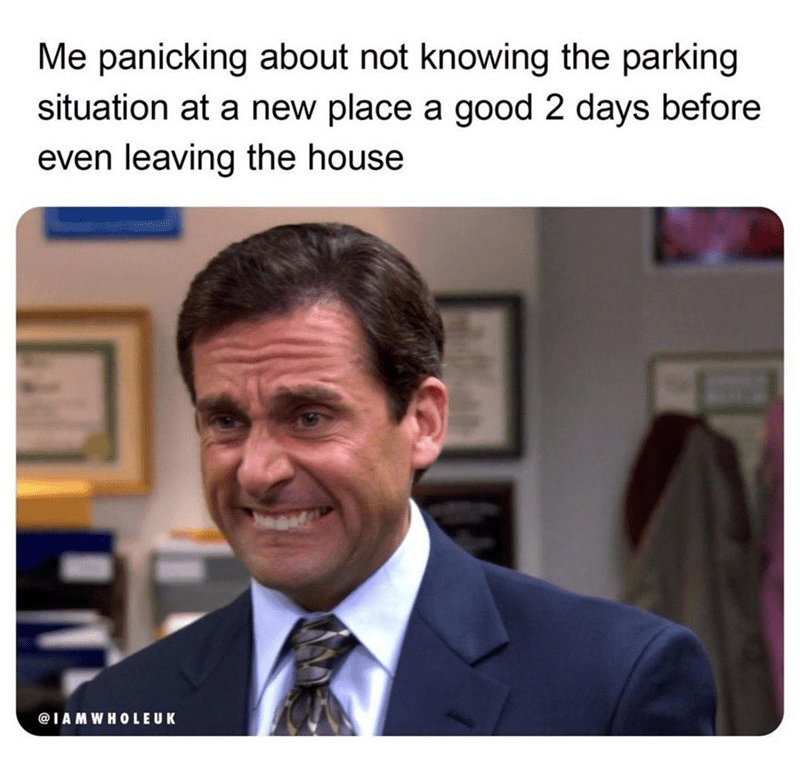
One of the best meme marketing examples is the meme of The Office. They are classic, and you can pretty much find any image related to your niche.

The Office Meme -
Map Out Your Digital Subcultures
The general public doesn’t really exist on the internet anymore; everyone is tucked away in their own niche corners.
You need to figure out exactly where your people hang out.
Are they on a specific corner of a niche platform, or are they deep into a very particular aesthetic?
Your strategy should be to use the memes they use, not the ones you saw on a morning talk show three weeks ago.
If you aren’t lurking in the comments where your customers live, you’re just guessing.
For example, if you’re a bookstore owner trying to do book marketing, you should know that readers are also fans of pop culture.
They love Taylor Swift and Sabrina Carpenter, so you can create something like this related to books.
Sabrina Carpenter Meme Just change the text and boom, your meme is ready!
-
Build a Fast-Track Approval Pipeline
Trust me, a meme’s shelf life is shorter than a carton of milk.
If your content has to go through four layers of legal and a VP’s signature, by the time it’s posted, it’s already grandpa humor.
To make meme marketing work, you have to empower your social team to move fast.
A winning strategy is built on trust, giving the people who actually get the internet the green light to hit post while the iron is still hot.
-
Pick Your Playground (One Size Does Not Fit All)
You can’t just post a meme and expect it to work everywhere; each platform has its own secret handshake.
If you try to post a deep-fried, surrealist TikTok trend on LinkedIn without translating it first, you’re going to get some very confused looks from HR.
So you need to figure out which platforms are best for meme marketing.
Usually, Instagram, TikTok, and Facebook are the best places for this kind of marketing. However, the real challenge is keeping them all consistent.
This is where tools like Social Champ come in handy!
Social Champ Dashboard You can post to 11+ social networks from a single dashboard and check your analytics to see how your memes are performing.
I personally rely a lot on this platform when it comes to scheduling and automation. I mean, who doesn’t need an assistant to work for them even when they’re offline?

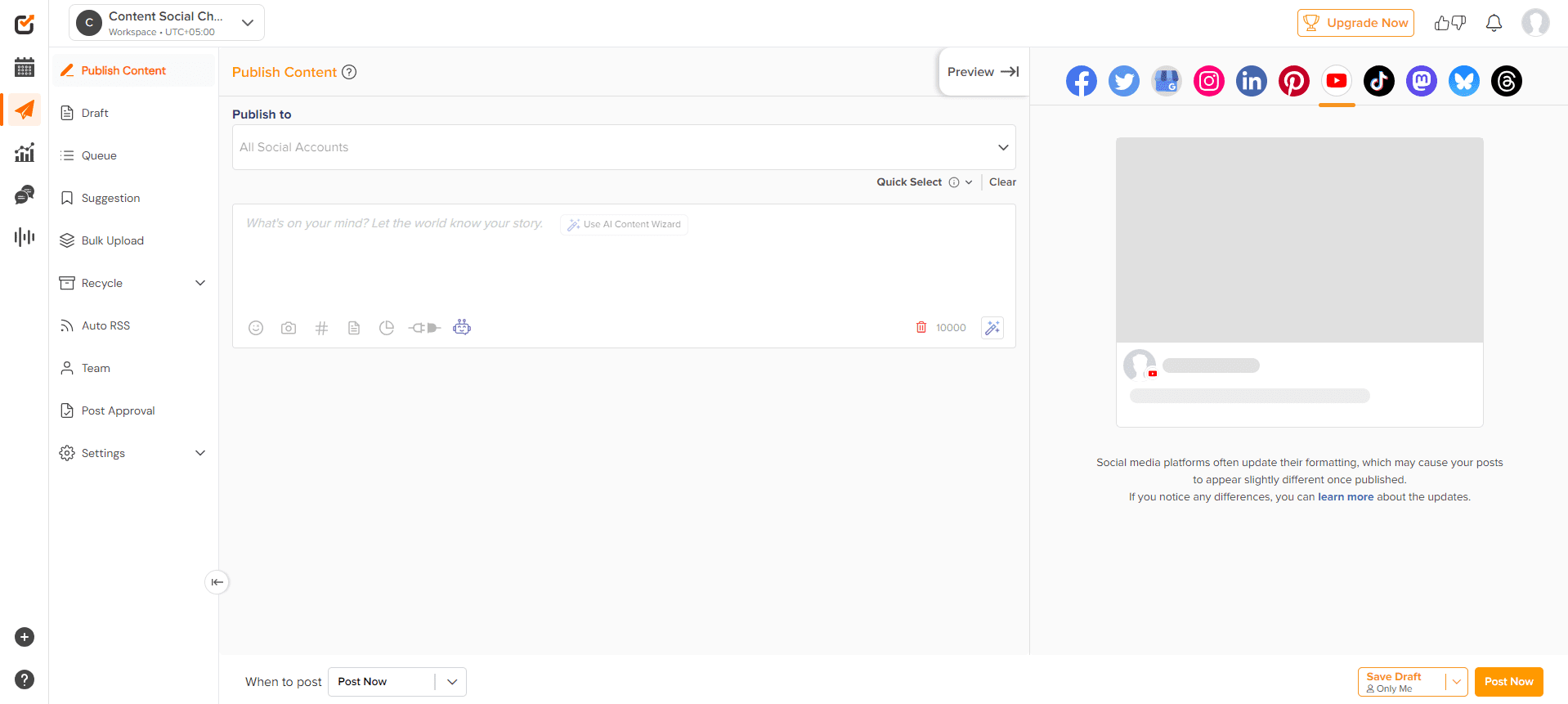
Drop memes across 11+ platforms in one go and watch the algorithm work in your favor with Social Champ.
Benefits of Meme Marketing
Honestly, if meme marketing didn’t move the needle, brands wouldn’t be hiring Head of Memes roles.
It’s not just about getting a few laughs; when you nail it, you’re basically hacking the way people interact with businesses.
Here’s why it’s worth the effort (and the occasional risk of being a little weird).
-
It’s the Ultimate Shortcut to Humanizing Your Brand
Nobody wants to be friends with a logo, but everyone likes a brand that has a sense of humor.
Memes strip away that cold, corporate facade and replace it with a personality.
When you post something that shows you understand a common struggle, it builds a level of trust and approachability that a thousand polished PR statements never could.
-
Organic Reach That Beats the Algorithm
Getting eyes on your content without paying for ads is hard. But memes are built to be shared.
People don’t usually send their friends a picture of a product, but they will send a meme that makes them feel seen.
Every time someone tags a friend or hits share, they’re doing your marketing for you.
It’s the closest thing to digital word-of-mouth, often leading to a viral ripple effect that bypasses the pay-to-play barriers of most platforms.
-
It’s Low Cost with High Interest
You don’t need a 4k camera crew or a celebrity endorsement to make a killer meme.
Some of the most successful brand moments come from a screenshot, a clever caption, or a 15-second phone video.
Meme marketing is one of the few areas where your creativity and cultural timing matter way more than your production budget.
It levels the playing field, allowing smaller brands to compete with the giants just by being funnier and faster.
Featured Article: Social Media Crisis Management: Strategy, Tools & Recovery
Dos and Don’ts of Memes in Marketing
Here are the golden rules for staying relevant without the second-hand embarrassment.
The “Do” Checklist
- Stay in the Now: Use trends while they’re still fresh. If you see it on a major news network, it’s probably already too old to post.
- Lean into Self-Deprecation: Be the first to laugh at your brand’s quirks. People love a company that doesn’t take itself too seriously.
- Keep it Low-Fi: Let the humor shine, not the production value. A grainy screenshot often performs better than a high-def graphic.
- Check the Lore: Do a quick search on where a meme came from. You want to make sure the original context is actually brand-safe.
- Engage with the Remix: If people start making memes about your meme, join the conversation! That’s when you know you’ve actually made it.
The “Don’t” Checklist
- Don’t Force the Vibe: If a trend feels like a stretch for your brand, let it go. Not every viral moment is your moment.
- Don’t Over-Explain: A meme is like a joke; if you have to explain it in the caption, it’s already dead.
- Don’t Corporate-speak: Avoid adding professional jargon or salesy language into a meme format. It kills the magic instantly.
- Don’t Be a Slang Tourist: Using words like rizz or sigma (or whatever the next year throws at us) incorrectly is the fastest way to get screenshotted and mocked.
- Don’t Be Late to the Party: If you can’t get a meme approved and posted within 48 hours of it trending, it’s better to just skip it entirely.
Conclusion
The cringe happens when brands treat memes like a checklist item rather than an actual conversation.
If you’re forcing it, your audience will smell that desperation from a mile away.
But if you approach it with a genuine appreciation for internet culture and a willingness to poke a little fun at yourself, you’re golden.
By embracing meme marketing, you’re moving away from being a faceless entity and becoming a part of your customers’ daily scroll.
It’s about building a connection that feels less like a transaction and more like a shared joke.
So, take the risk, stay weird, and don’t be afraid to fail, because in the world of the internet, even a failed meme can sometimes be a masterpiece in itself.