
Most founders know they should be on LinkedIn. They post occasionally, maybe pick up a few followers, and then wonder why it’s not translating into anything real.
The truth is, there’s a big difference between being on LinkedIn and actually using it as a growth engine. And very few people are doing the latter.
In this episode of Beyond the Feed, Aiman Tahir sits down with Niall Ratcliffe, founder and CEO of noticed., a platform that helps B2B brands get noticed on LinkedIn to discuss how do you build a founder profile that actually drives leads? What should you post, when, and why? And how do you turn a casual profile viewer into a paying client?
Key Podcast Takeaways
- LinkedIn has evolved into a B2B marketing and revenue platform.
- Founder profiles drive discovery, company pages build trust.
- Consistency beats chasing viral impressions.
- Conversations matter more than likes or reach.
- Authority comes from one clear message repeated over time.
Watch full podcast here:
First let’s discuss how LinkedIn has transformed into a business tool from an ordinary job platform.
When Did LinkedIn Become a Real Business Tool, Not Just a Job Platform?
LinkedIn has gone through several distinct identities over the years:
- Early days: A place to store contacts and update your CV
- Then: A networking and recruiting platform where hiring happened
- Two to three years ago: A full-blown social media app where organic reach exploded almost overnight
- Now: A marketing platform built for revenue, not just reach
That creator moment two to three years ago was quiet transformative for a platform like LinkedIn. Founders who had never posted regularly were suddenly hitting tens of thousands of impressions with minimal effort. That window has narrowed. But what’s replaced it is more valuable: tools, targeting, and intent signals that make it easier than ever to drive actual business results.
For B2B founders especially, that shift is an enormous opportunity. The audience is already there. The buying intent is already there. The question is whether your strategy is built to capture it.
Featured Talks: Are 2016 Marketing Trends Actually Back And Should Your Brand Care ft. Katerina Stasiukevich
Does Your Company Page Still Matter If You’re Leading With Your Personal Profile?
Yes you company’s LinkedIn page is as important as your personal LinkedIn profile. A lot of LinkedIn advice tells you to ignore your company page and pour everything into your personal profile.
However. this misses how buyers actually behave. When someone discovers a founder through their content, the natural next step is to check the company page or website. That’s where credibility is validated.
Here’s how to think about each:
- Founder profile: Band awareness, storytelling, thought leadership, audience growth
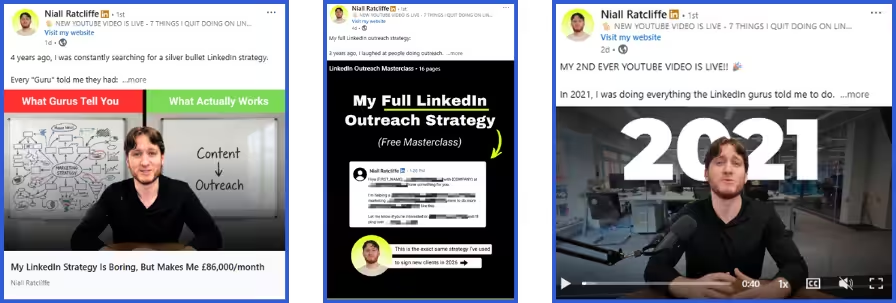
- Company page: Credibility, social proof, hiring posts, new offer announcements
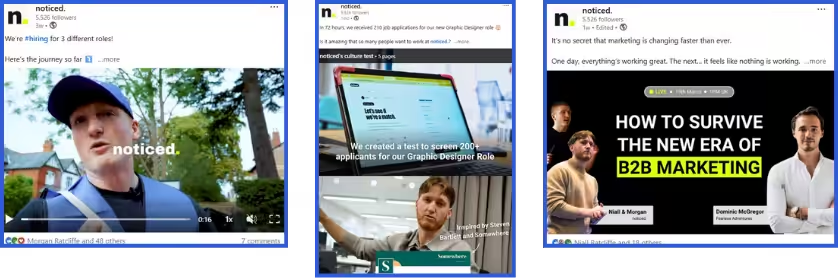
Company pages consistently perform well for two specific use cases that most founders overlook: promoting open roles and announcing new products or offers. These posts carry a different kind of authority coming from a brand rather than an individual.
What Should Founders Actually Be Posting And How Often?
Before worrying about content strategy, get the foundation right. Your profile is already getting views from your existing network whether you’re posting or not, make sure those views convert.
Profile basics to nail first:
- A clear headline that explains who you are, what you do, and who you help
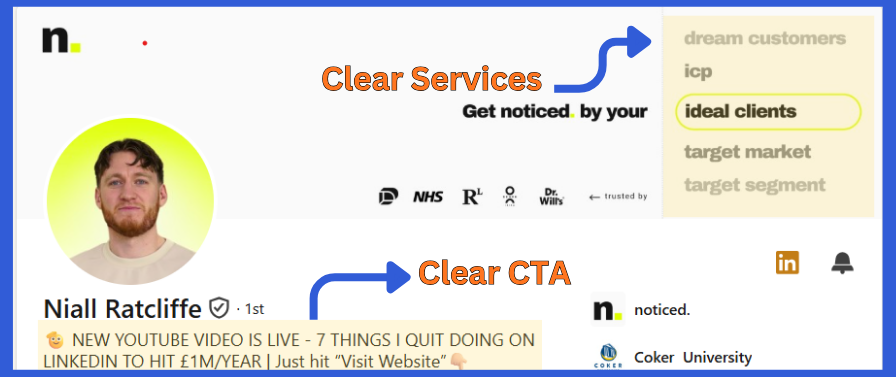
2. A professional headshot

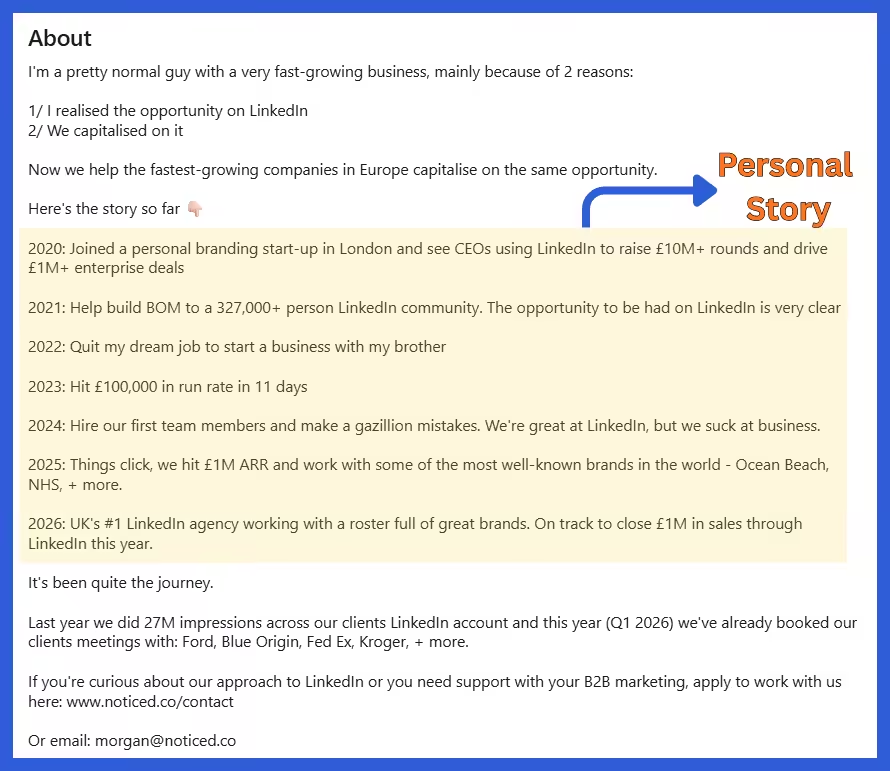
3. An About section that tells your story, not just your job history
Once the profile is solid, the most important move is simple: commit to a posting cadence and stick to it. Not because consistency magically drives results, but because it’s the only way to gather enough data to understand what’s actually working.
Start with three posts a week. Pay attention to what resonates. Adjust from there. The philosophy: get going, then get good.
Featured Talks: Why Video Content Is Becoming Non-Negotiable for Brands in 2026 ft. Sara Berry
Should Your Personal Profile Sound Different From Your Company Page?
Yes, your company page and founder profile should sound different, but at the same time they should complement each other rather than sound identical. Here are the key differences between a company page and founder profile
| Key Differences | Company Page | Founder Profile |
| Tone | Professional, corporate | Personality-led, human |
| Focus | What the business does | Who you are and why |
| About section | Results, clients, services | Your story and journey |
| Awards/milestones | Company wins | Personal achievements too |
The About section is where this distinction matters most. On your company page, it should explain what you do and who you serve. On your founder profile, it should read like a story, giving someone who’s never heard of you a quick but meaningful sense of who you are and what you’ve built. That kind of context builds trust far faster than a list of credentials ever could.
Can Founders Use AI Without Making Their Content Feel Generic?
AI is a genuinely useful tool for founders managing content on limited time. The problem isn’t the tool, it’s how most people are using it.
Where founders go Wrong with AI:
- Using it to generate the ideas
- Using it to write their opinions
- Producing posts end to end without any personal input
The output reads like it too smooth, technically correct, and completely forgettable.
The Smarter Approach:
- You bring the idea, the experience, the specific insight nobody else has
- AI helps you shape it, structure it, or present it more clearly
- Your intellectual fingerprint stays on it throughout
One non-negotiable: always write your own comments and replies. That’s where real relationships are built on LinkedIn — in the back and forth, not just in the posts themselves.
What Metrics Should Founders Actually Be Tracking?
Impressions are the most visible metric on LinkedIn and often the least useful one for a founder trying to grow a business.
Stop Optimising for:
- Impressions
- Likes
- Follower count
Start Optimising for:
- DMs received off the back of a post
- Comment threads that turn into real exchanges
- People reaching out via email or other channels after seeing your content
- Conversations that lead to sales calls
The metric that actually predicts commercial success is conversation volume. That’s the number worth tracking. Conversations are where leads are born, not in the impression count.
Should New Founders Go After Brand Awareness or Lead Generation First?
Chasing leads too early usually backfires. When you have a small audience and no established presence, most people landing on your profile have no idea who you are. Pushing them toward a sales conversation before you’ve given them any reason to trust you rarely works.
The more effective approach is to build in phases:
Months 0–6
- Build context.
- Tell your story.
- Share your founder journey.
- Talk about the decisions you’ve made, the mistakes you’ve learned from, and what you genuinely believe about your industry.
- Give people a reason to trust you before you ask for anything.
Months 6–12
- Build authority.
- Layer in thought leadership.
- Start developing deeper perspectives on your niche and become the go-to voice for one specific topic.
Month 12+
- Drive commercial conversations.
- By now your audience knows you, trusts you, and understands what you do.
- This is when content converts.
What’s the Real Difference Between Personal Branding and Founder-Led Content?
Personal branding and founder-led content get used interchangeably but they serve completely different purposes. Here are the key differences between the two:
Personal Branding
- Goal: visibility and recognition
- Approach: go broad, maximise reach
- Tools: relatable stories, authenticity, emotional connection
- Metric: audience size and impressions
Founder-led Content
- Goal: pipeline and revenue
- Approach: go narrow, speak to your ICP
- Tools: utility-driven content, niche expertise, thought leadership
- Metric: conversations and leads generated
Neither is better. They just serve different stages. The mistake is trying to do both simultaneously — it usually means doing neither well. Pick the phase you’re in, commit to it, and don’t be afraid to shift later. The transition is far less noticeable to your audience than it feels to you.
What Are the Most Effective Ways to Generate Leads on LinkedIn Right Now?
The best LinkedIn lead generation tactics aren’t complicated. They just require consistency and a willingness to start conversations without an immediate agenda.
Tactic 1: Profile View Outreach
Go to your profile analytics → profile views → look at the last 28 days. Find 3–5 people who match your ICP and send them this message:
“Hi, I saw you viewed my profile — is there anything I can help with, or are you just enjoying the content?”
Why it Works
- They’ve already shown intent by visiting your profile
- You have a natural, non-awkward reason to reach out
- It’s completely conversational with zero pressure
Tactic 2: Content Engagement Outreach
Go through likes and comments on your niche posts. Message people who engaged with something relevant:
“Hi, I saw you liked my post on [topic] is this something you’re exploring internally at [company]?”
Why it Works
- Same principle, intent was already signalled
- Opens a natural conversation without feeling like a cold pitch
- Often leads directly into a sales discussion if the timing is right
What Separates Founders Who Build Real Authority From Those Who Just Post?
The founders who build lasting credibility on LinkedIn share one thing: a single clear message they return to consistently over time.
At noticed., their one big message is: LinkedIn is the most underrated opportunity in B2B. Every piece of content plants that specific seed.
What the Best Founders Do:
- Define one core idea they want to be known for
- Approach it from different angles rather than repeating it identically
- Stay consistent over months and years until their name becomes synonymous with that
What Struggling Founders Do
- Post without a clear point of view
- Jump between personal stories, results posts, and random content week to week
- Build presence without building meaning
What Does a Realistic 90-Day LinkedIn Plan Look Like for a Founder?
Here’s a simple 90-day roadmap founders can follow to start building momentum on LinkedIn.
Weeks 1–2: Build the strategy
- Define your One Big Message: the single idea you want to own
- Identify your target audience clearly
- Find 3–5 creators in your niche and study what’s working for them
- Choose 3–5 content pillars to post around
- Create a simple quality bar: 2–3 yes/no questions you ask before every post
Weeks 2–6: Research and batch create
- Spend a week auditing top content in your niche — note which formats and topics perform
- Build a bank of content before publishing a single post
- Create multiple formats around the same core topics (text, graphic, video)
- Don’t post yet, build the runway first
Weeks 6–12: Publish, track, and optimise
- Push content out consistently
- Track what starts conversations, not just what gets likes
- At the end of the period, go back and batch create a second round based entirely on what the data showed
What Content Formats Work Best When You Don’t Have a Full Team?
You don’t need a camera crew or a design team to start producing quality content. Here’s what works at every stage:
When you're Starting Out (no team, no budget):
- Document the journey as it happens: take photos, write in the moment
- Keep a running notes list on your phone of things that happen during the week
- Write on the commute, between meetings, during any downtime
- Post video straight from your phone: no editing needed
As you Grow (some resources available):
- Bring in a graphic designer for visual posts
- Batch shoot video content in one session rather than daily
- Use AI to help shape and structure ideas you already have
What Never Changes regardless of Budget:
- The quality of the insight matters more than the quality of the production
- Your ideas and your comments should always come from you
- Raw, authentic moments consistently outperform over-produced content on LinkedIn
Is LinkedIn Premium or Sales Navigator Actually Worth It?
You don’t need either to start. Getting your profile in order and building a content rhythm matters far more than any paid feature in the early stages.
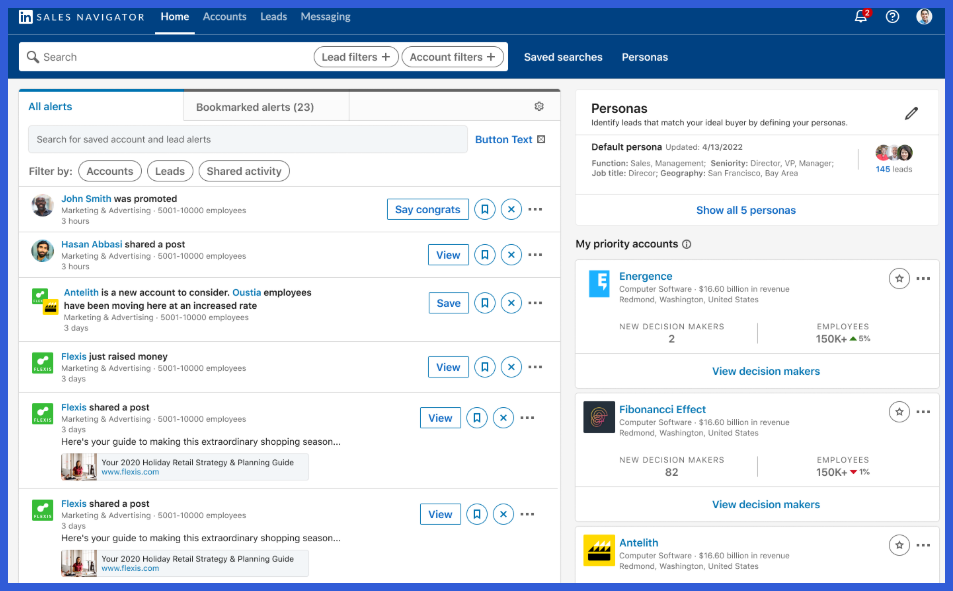
That said, once you’re active and ready to scale outreach, Sales Navigator is worth serious consideration:
What it gives you:
Ability to build precise lead lists filtered by role, company size, and industry
Intent signals: who’s viewed your profile, engaged with your content, searched for you
A systematic way to start targeted conversations at scale
The value test is simple: if one new client covers the monthly cost many times over, the tool pays for itself. And LinkedIn is directly incentivised to make it work , they want their paid tools to succeed, which means it keeps improving. Start free. Build the foundation. Add paid tools when you’re ready to scale.
Featured Talks: Why Visual Brand Identity Plays an Important Role for Brands in 2025 ft. Sarah Hart
Where Is LinkedIn Heading And Will It Stay the Best Platform for B2B Founders?
LinkedIn has become the go-to platform for B2B founders, but the platform is starting to change.
Every major social platform follows the same arc: first comes organic reach, then competition, and eventually monetization.
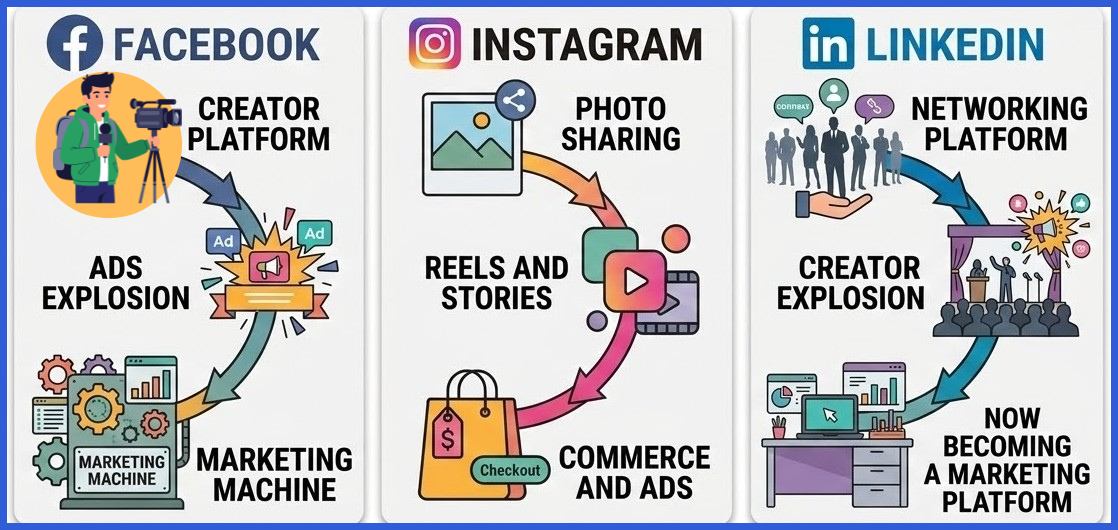
LinkedIn is in the middle of that transition right now. Going viral is getting harder. But generating ROI is getting easier, and that’s the trade worth making for any B2B founder.
Unlike Facebook or Instagram, LinkedIn’s audience is uniquely valuable: decision-makers, buyers, and professionals with commercial intent. The tools being built, Sales Navigator, conversation ads, outreach features, are all designed to help businesses make money, not just get likes.
For B2B founders: other platforms are nice to have. LinkedIn is where the buyers are, and that’s not changing anytime soon.
Final Word from Niall
The founders who win on LinkedIn aren’t the ones who figured out the perfect strategy before they began. They’re the ones who started, stayed consistent, and let the data show them what to do next.
The platform is maturing fast. The window to build a strong foundation before it gets significantly more competitive is open right now, but it won’t stay that way forever.