

Nostalgia is the algorithm’s new best friend. In this episode of Beyond the Feed, host Aiman Tahir sits down with B2B digital marketer Katerina Stasiukevich to unpack why 2016 aesthetics, vibes, and content styles are making a massive comeback in 2026 and what it means for your brand strategy.
Key Podcast Takeaways
Watch full podcast here:
First let’s discuss why 2016 is trending this year in the first place.
Why Is 2016 Trending Again?
It didn’t just happen out of nowhere. Katerina breaks it down as a mix of intention and organic movement, starting with Kylie Jenner’s comeback campaign, which she believes single-handedly kicked this era back into gear.
The key drivers behind the 2016 revival:
Humans weren’t biologically or psychologically wired to consume content 24/7 at the scale we do today. Social media fatigue is real, and nostalgia is the antidote.Information overload
In 2016, social media wasn’t monetized the way it is now. It was just for fun, for friends, for sharing. People miss that energy.The ‘simpler times’ effect
Older Gen Z (now in their mid-to-late 20s) were around 16–17 in 2016. High school nostalgia hits hard once you enter adult lifeGrowing up nostalgia
Just like millennials brought back early 2000s aesthetics when they hit their late 20s, Gen Z is doing the same with the mid-2010s.The Y2K parallel
Featured Talks: Why Video Content Is Becoming Non-Negotiable for Brands in 2026 ft. Sara Berry
Is AI Fading Out as Human Content Makes a Comeback?
One of the most interesting threads in this episode: are we actually seeing a pullback from AI-generated content? Katerina thinks yes, and she’s hopeful about it.
The broader point here is that audiences are craving authenticity. The over-polished, AI-generated aesthetic is getting called out publicly, and brands that lean into real, human storytelling are winning attention right now.
Key Takeaway: 2016 content worked because it felt unfiltered and real. If your brand is still leaning heavily on AI-generated copy and visuals, you may be swimming against the current right now.
Does the 2016 Trend Actually Convert Or Is It Just Engagement Bait?
Great vibes and impressions are one thing. But do throwback campaigns actually drive sales? Katerina ‘s take is quite interesting, it depends on who your audience is and how authentic your connection to the era actually is.
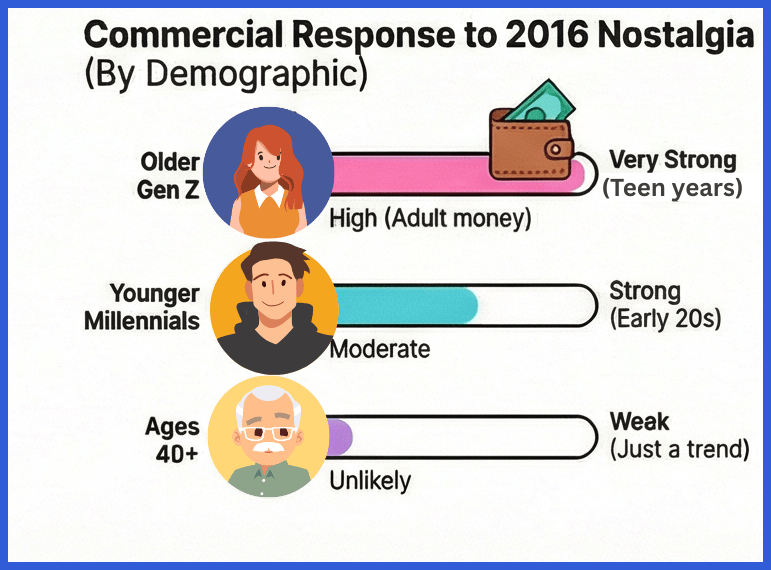
For older Gen Z and younger millennials ( the core nostalgia audience) the emotional connection is strong enough to drive purchases. For older audiences (40+), the trend might earn impressions and brand awareness, but conversion is unlikely because the emotional hook simply isn’t there.
Which Platforms Are Leading the 2016 Revival?
Not all platforms are created equal when it comes to nostalgia content. Here’s where Katerina sees the trend living and thriving to improve your visibility:
TikTok: The Trend Accelerator
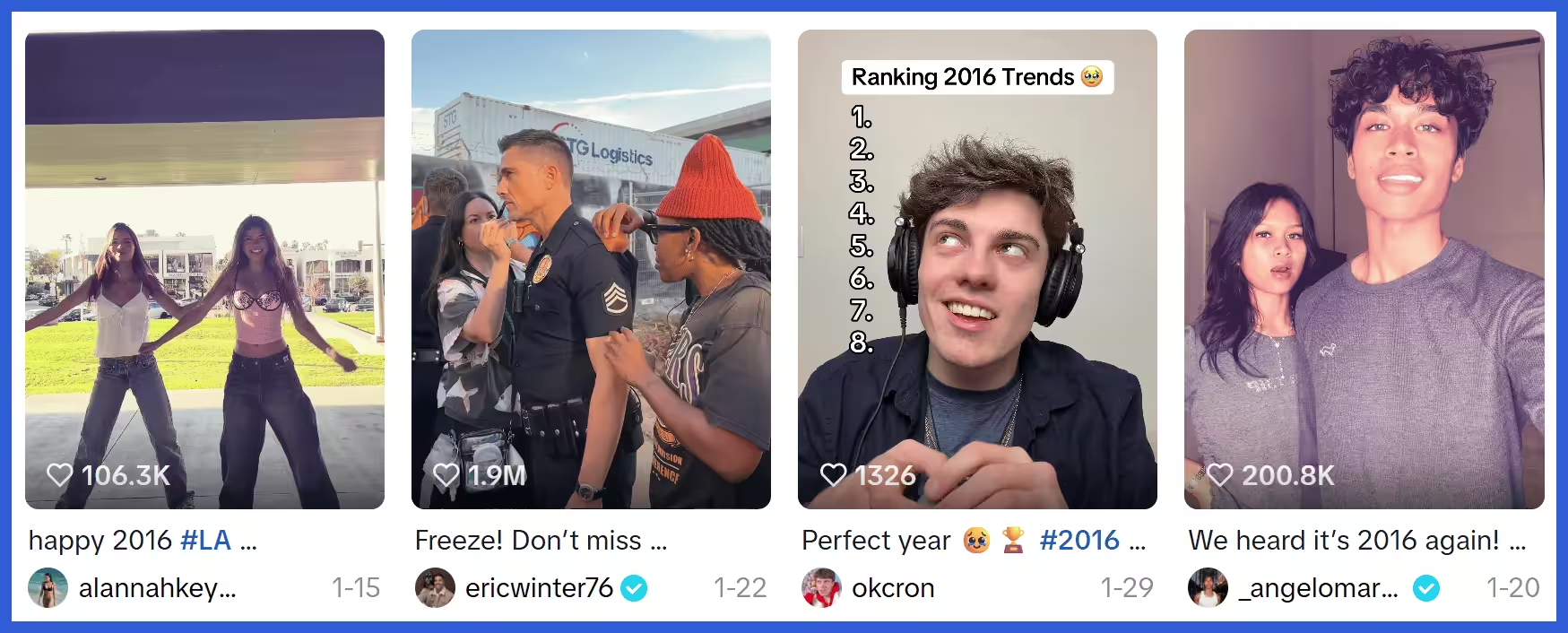
TikTok makes it stupidly easy to participate. The moment a trend starts, the platform generates templates, sounds, and audio you can use. The low-stakes, unserious nature of TikTok is perfect for throwback humor, funny commentary, and self-deprecating nostalgia.
Instagram: The Aesthetic Hub
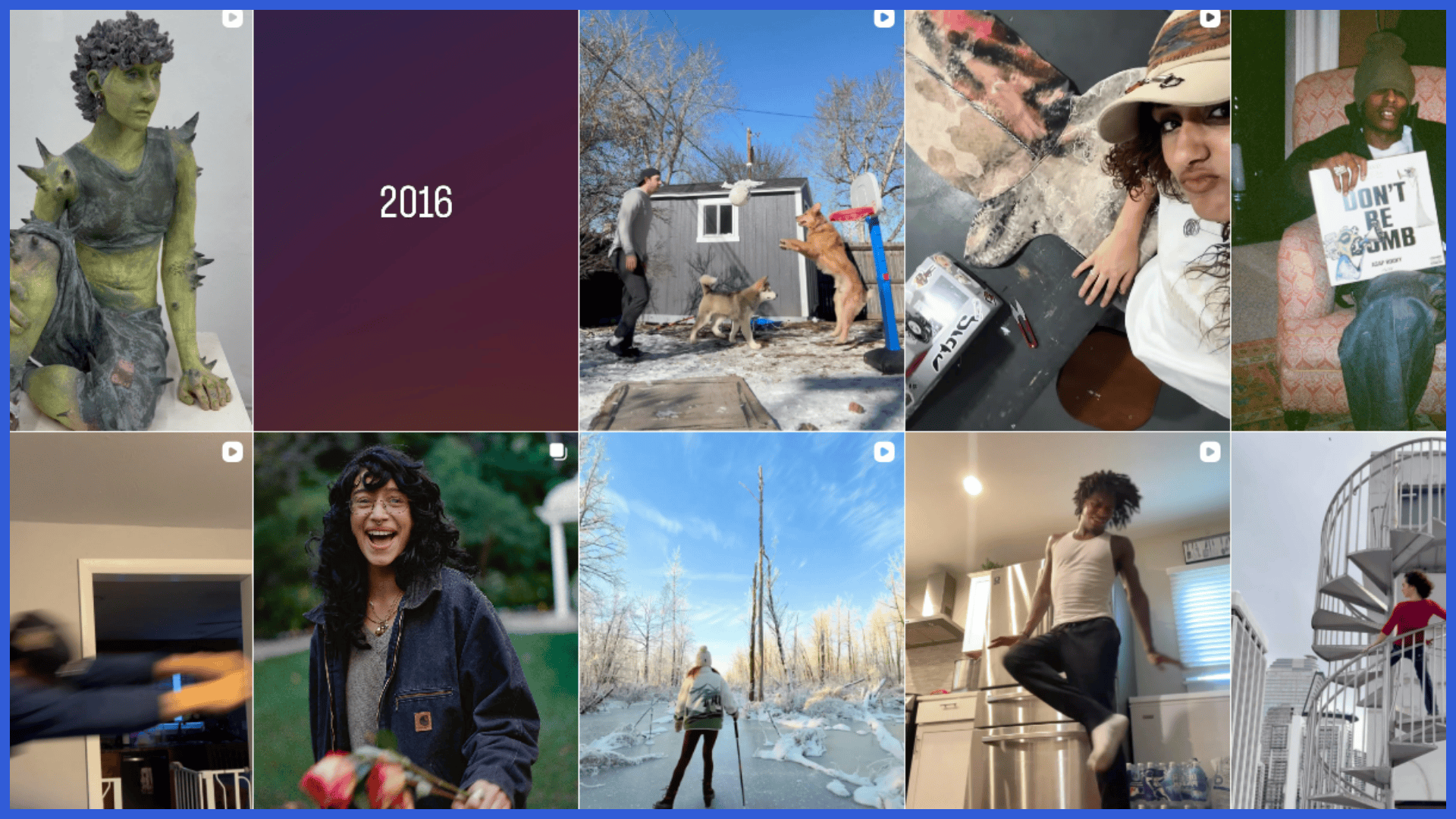
Instagram is where the visual side of 2016 nostalgia lives. Filters, aesthetics, OG grid vibes. Instagram themselves posted a carousel of classic filters. Nobody looked good, but everyone loved it. That’s the energy.
LinkedIn: For the Bold
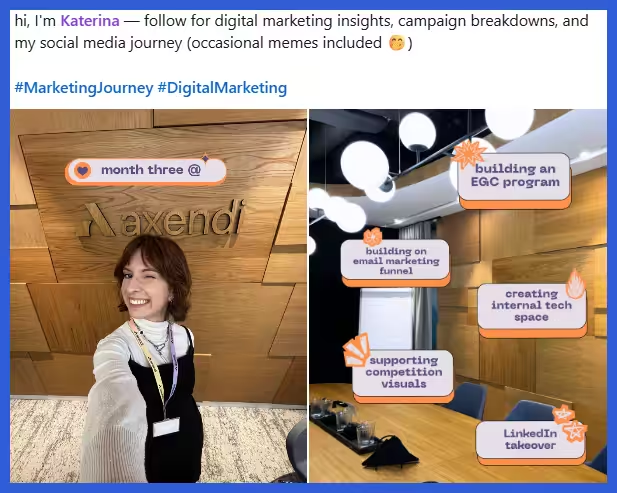
LinkedIn 2016 nostalgia is a very different beast. It’s not about memes or filters, it’s about professional storytelling and career throwbacks. Not many brands are doing it yet, which means there’s real white space here.
Snapchat is a cautionary tale. It was the OG platform for filters and ephemeral content in 2016, but it didn’t evolve fast enough to ride the nostalgia wave it actually started. Don’t build your trend strategy on a platform that can’t sustain it.Platfrom warning
Can B2B Brands Experiment with 2016 Marketing?
This is where it gets interesting, and where Katerina pushes back against the idea that B2B needs to stay buttoned-up all the time.
Her argument: the internet is finally giving everyone permission to be funny, relatable, and a little unserious and B2B brands that lean into this (tastefully) will stand out in a sea of polished corporate content.
You don’t have to post memes every day. But a cultural throwback moment, done in your brand’s voice, can humanize your company and build real connection with the Gen Z decision-makers now entering the workforce.
B2B Tip from Katerina : Find someone on your team whose era this was — a Gen Z marketer or a director who had a big moment in 2016. Let them share real outtakes or personal insights. That authenticity is what will actually land.
The Biggest Mistakes Brands Make with Retro Trends
Katerina is clear: jumping on nostalgia poorly is worse than not jumping on it at all.
Bringing back a product or campaign from the wrong era — or stretching the truth about when something was relevant. Katerina gives the example of an artist’s ‘Relive 2016’ email campaign for an album that actually came out in 2014. It felt like a cash grab to anyone who knew the history. If your audience has been with you long enough to fact-check you, don’t risk it.Mistake #1: Misaligned Timing
One-and-Done Trend Hopping Using a nostalgic filter or a throwback post as a one-off attention grab with no connection to the rest of your content. If it doesn’t feel like it belongs in your brand story, audiences can tell and they won’t trust it.Mistake #2: One-and-Done Trend Hopping
If you’re going to go nostalgic, make it a campaign not just a post. A single disconnected throwback feels lazy. A coherent campaign that builds on the theme feels intentional, and it earns actual engagement.Mistake #3: No Campaign Coherence
How to Tell If Content Is Actually Authentic
As a digital marketer, Katerina has a quick gut-check system she uses when evaluating whether a brand’s nostalgic content is authentic or not:
Real audience reactions don’t lie. If people are saying “Oh my god, I missed this so much”, it’s resonating. If the comment section is confused or cynical, it’s not working and might be actively hurting the brand.Check the Comments
Is there a real human behind the content? A genuine story? Or does it feel generated and scheduled? Authentic content has fingerprints specificity, personality, and a reason it exists beyond just chasing the algorithm.Trace It Back to the Source
If a brand has been around since 2016 and they’re referencing that era, does it connect to something real they actually did? Or is the ‘2016 label’ being slapped onto something brand new?Does It Match the Brand’s History?
Featured Talks: How to Automate Marketing Without Losing the Human Touch ft. Jelena B.
Practical Advice for Brands Starting Out Today
Whether you’re a new startup or an established brand trying to navigate trends, Katerina leaves us with clear, actionable guidance:
Before jumping on any trend, know who you are. A formal educational brand jumping on 2016 memes will look disconnected. But that same brand could reference outdated industry terminology from 10 years ago and ask “why were we even saying this?” and that’s a 2016 tie-in that actually makes sense for them.Define Your Tone of Voice First
The playbook is dead. Everyone doing the same dance, the same hook, the same format makes everything invisible. Find the specific angle of any trend that is uniquely yours and only do that version.Don’t Copy-Paste the Trend
Nobody’s watching yet, so this is your best window to try things. Jump on more trends early on. As you grow, be more selective. But in the beginning: don’t overthink it, have fun, and stay true to your voice.When Starting Out, Experiment Freely
You don’t need to ride every wave. Ask yourself: does this connect to something real my brand has to offer? If yes, do it well. If no, skip it and save your energy.Not Every Trend Is for You and That’s Fine
Final Word from Katerina
The 2016 revival isn’t a gimmick, it’s a cultural signal. Audiences are telling brands they’re burned out on AI content, tired of polished perfection, and craving human connection. The brands that listen, that find authentic ways to tap into that, are going to build the kind of loyalty that outlasts any single trend.
The trend cycle moves fast. But your tone of voice? That’s yours forever. Start there.
🎧 Listen to the full episode of Beyond the Feed by SocialChamp wherever you get your podcasts.