


Have you ever looked at your photos and wondered why they resemble CCTV footage from 1998? We’ve all been there, and 99% of the time, the culprit is poor lighting.
Bad lighting can wash out your features, hide the colors you want to pop, and make your whole shot feel… well, flat and lifeless.
Lighting does a lot more than make things brighter. It makes your visuals clearer, more inviting, and way more clickable.
That’s why when your lighting is right, your products look sharper, your colors pop, and your entire feed feels more polished. And trust me, your audience notices.
Good lighting also plays a huge role in storytelling. Want a soft, cozy vibe? Or maybe something bold and high-energy? Lighting sets the mood long before your caption does.
Short Summary
- Good lighting improves your social media content by making visuals clearer, more inviting, and engaging.
- Natural, artificial, and ambient lighting each have unique strengths for different content goals.
- Techniques like golden hour shots, three-point lighting, soft vs. hard light, and backlighting create professional, attention-grabbing visuals.
- Pairing lighting with a smart posting strategy, including batch shooting and using a social media management tool like Social Champ, keeps your content consistent and efficient.
- Tracking engagement and testing different lighting styles helps you see what works best for your audience.
In fact, studies show that over 80 percent of our perception occurs through sight. So, lighting helps shape how people perceive your brand and whether your content feels fun, trustworthy, dramatic, or downright irresistible.
In this guide, you’ll explore everything from easy lighting tricks that make your visuals look agency-level.

Make it happen with Social Champ! Publish on 11 platforms with a single click, all at $4/month/channel!
Why Lighting Matters in Social Media Marketing
Good lighting isn’t merely about visuals; it’s a key factor in shaping the way people perceive your brand.
Let’s break down exactly why lighting deserves your attention and how it impacts every piece of content you create.
-
Lighting Affects Brand Aesthetics
Lighting sets the tone for your entire brand. The way you light your photos and videos influences the mood, style, and overall vibe of your feed.
Warm, soft lighting can give your brand a cozy and approachable feel, while bright, crisp lighting can make it look modern and energetic.
Essentially, lighting helps define your brand’s visual identity and makes your content instantly recognizable.
Just look at this video by Camera Club on Pinterest showing how lighting changes everything:
-
Its Role in Product Photos, Videos, Reels, and UGC
Lighting plays a crucial role in showcasing your products and content clearly.
Whether it’s a product photo, a short reel, or user-generated content, good lighting highlights the details you want your audience to see.
Poor lighting can hide features, distort colors, and make even the best content look amateurish, whereas well-lit visuals communicate quality and attention to detail.
-
Lighting’s Impact on Scroll-Stopping Visuals
Lighting directly affects whether your content grabs attention in a crowded feed.
Bright, well-balanced visuals are more likely to stop people mid-scroll, increasing the chance they’ll engage with your content.
You can use shadows, highlights, and contrast strategically to make your visuals pop, which can turn casual scrollers into active viewers.
-
Consistency and Professionalism = Higher Trust
Consistent lighting across your posts signals professionalism. When your feed has a uniform lighting style, it looks polished and intentional, which builds trust with your audience.
People are more likely to engage with brands that feel reliable and put-together, and consistent lighting is a subtle but powerful part of that perception.
It is also a key ingredient in creating a professional, engaging, and trustworthy social media presence. Get it right, and your content will not only look better but perform better too.
The Three Main Types of Lighting
When you’re creating content, it helps to understand the three main types of lighting to choose from. Each one brings its own vibe, strengths, and little quirks you should know about.
-
Natural Lighting
Natural lighting is the light you get from the sun, whether you’re shooting by a window or filming outside. It’s one of the easiest ways to make your visuals look bright and clean without using any equipment.
Natural light is perfect for lifestyle content and outdoor shoots because it gives everything a warm, authentic feel. It’s also naturally soft and flattering, which means your skin will thank you.
And the best part? It’s completely free, so you get amazing visuals without spending a single coin.
-
Artificial Lighting
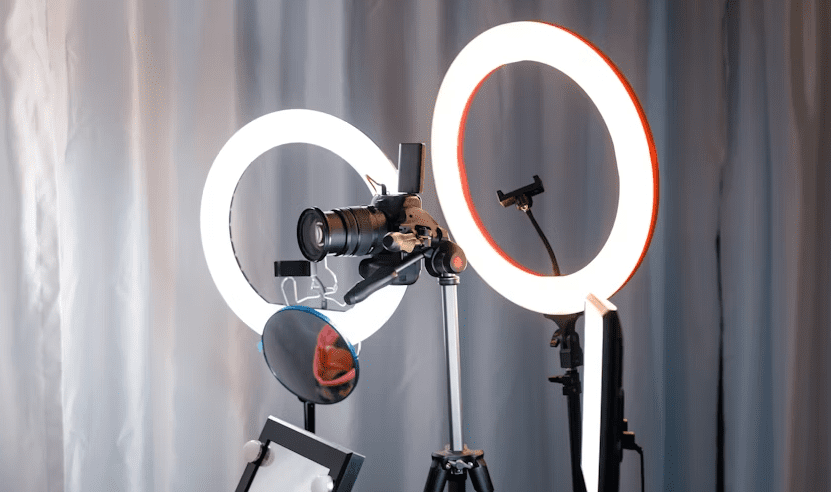
Artificial lighting comes from man-made light sources like ring lights, softboxes, and LED panels.

Ring Lights (Source: Unsplash) These tools give you reliable lighting no matter the time of day or weather.
The best thing about artificial lighting is the level of control it gives you. You can adjust brightness, color temperature, shadows, and positioning until the scene looks exactly the way you want.
-
Ambient Lighting
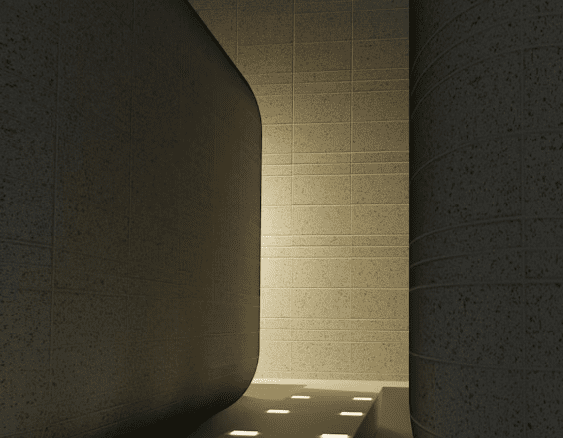
Ambient lighting is the natural light already present in the environment, like the overhead lights in a room, lamps in a café, or neon signs in a store. You’re basically working with whatever lighting the space already provides.
Ambient Lighting (Source: Unsplash) To get the best results with ambient lighting, you’ll want to watch out for grain or weird color tones. A quick solution is adjusting your camera settings or supplementing with a small portable light to balance everything out.
In the end, the real magic happens when you understand how to use each type of lighting to your advantage.
Once you get the hang of it, your content starts looking cleaner, brighter, and way more professional, without needing a full studio setup.
Core Lighting Techniques Every Marketer Should Master
Good lighting can take an ordinary shot and turn it into the kind of content people stop and admire.To help you do that, here are eight lighting techniques you’ll want to keep in your toolkit.
Technique #1: The Golden Hour Effect
Golden hour is that magical time just after sunrise or right before sunset when the sun gives off a warm, soft glow.
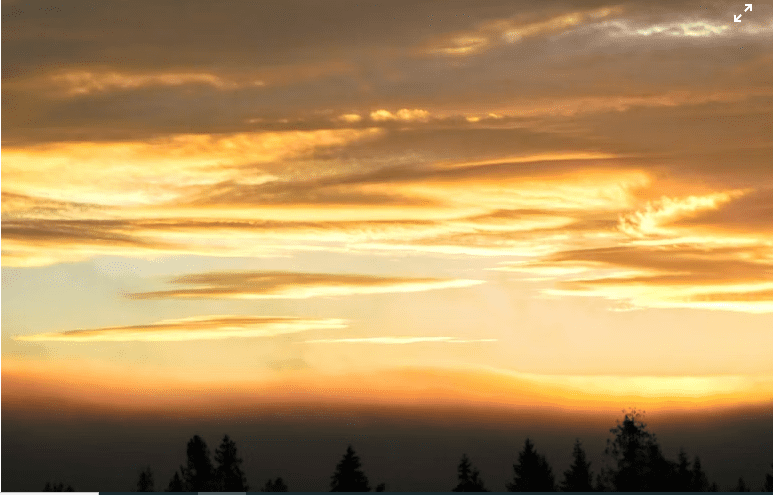
It’s basically nature’s built-in filter, and once you start using it, you’ll wonder how you ever shot without it.
Because this light is naturally warm and flattering, it’s perfect for creating soft, dreamy, and totally viral-worthy images that look like they belong on a mood board.
It’s ideal for Instagram shots, travel content, lifestyle visuals, and beauty brands since it adds that cinematic touch people can’t help but double-tap.
Technique #2: The Rule of Three-Point Lighting
This classic setup is your go-to when you want your videos to look polished, balanced, and totally professional. To make it work, you’ll rely on three simple lights that each play a different role.
- The key light is your main source of brightness and shapes the overall look of your subject.
- The fill light softens the shadows created by the key light so your face doesn’t look overly dramatic or uneven.
- The back light (also called the rim light) adds a subtle glow behind you, helping you stand out from the background.
Put all three together, and you’ll get a clean, studio-quality look that’s perfect for interviews, explainer videos, and any content where you want to look like you mean business.
Technique #3: Using Soft Light vs. Hard Light
Soft light and hard light are two types of lighting that create very different looks in your photos and videos.
You get soft light from things like cloudy days, diffused window light, softboxes, or ring lights. Soft light spreads evenly and creates gentle, subtle shadows.
Hard light comes from a direct, focused light source and creates sharp, defined shadows. You get hard light from the midday sun, bare bulbs, flashlights, or any undiffused light.
Here’s a great explanation of soft vs hard light by @getintofilm on Instagram:
View this post on Instagram
Different niches call for different lighting vibes. For instance, soft light is your best friend when shooting humans and products.
It’s the right choice here because it smooths out shadows and makes everything look gentle, clean, and flattering. It’s perfect for beauty content, skincare demos, food photography, and any brand that wants a warm, approachable look.
Hard light, on the other hand, creates sharp shadows and bold contrast, thus giving your visuals a dramatic and high-fashion vibe. This is ideal for edgy streetwear brands, fitness content with sculpted shadows, or editorial-style shoots where you want a strong visual impact.
So, you get to choose the vibe depending on the story you want your content to tell.
Technique #4: Backlighting for Aesthetic Silhouettes
Backlighting happens when your main light source sits behind your subject rather than in front of it. It helps create that beautiful glow or silhouette effect you’ve probably seen in cinematic shots.
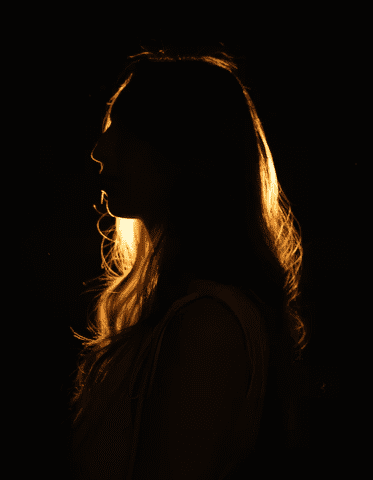
This technique instantly adds depth and visual interest because it separates your subject from the background and gives the scene a more dynamic feel.
It works especially well for cinematic videos, moody reels, or storytelling posts where you want the viewer to focus on the shape, movement, or emotion rather than the fine details.
Technique #5: Diffusion Tricks for Smoother Shots
Sometimes your light just needs a little softening, and that’s where diffusion comes in to save the day.
Using tools like softboxes, umbrellas, or even sheer cloth helps spread the light evenly so your subject looks smooth and flattering.
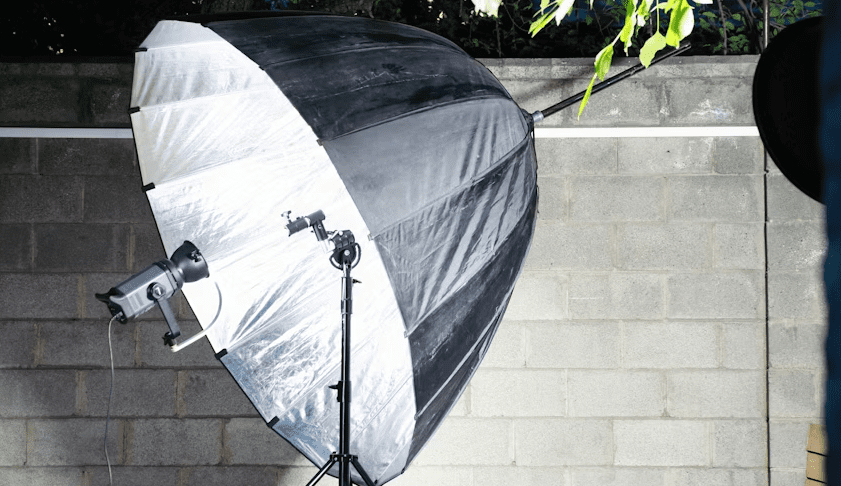
If you love a good DIY moment, you can also use baking paper, curtains, or translucent folders to create your own diffuser in seconds!
No matter which method you choose, diffusion enhances skin tones, reduces harsh shadows, and gives your shots that clean, professional finish your audience will notice immediately.
Technique #6: Color Lighting for Trendy Content
If you want your content to feel modern, fun, and instantly eye-catching, playing with colored lighting is a game-changer.
RGB lights are perfect for creating bold, Gen-Z-friendly visuals that feel fresh and current.
You can use them for TikTok videos, Reels, product promos, or any content where you want to stand out in a crowded feed.
Just remember a bit of color psychology while you’re at it: blues feel calm, reds feel energetic, pinks feel playful, and greens feel refreshing.
So, choose colors that match the mood you want to send to your audience.
Technique #7: Reflectors to Bounce Light Correctly
Reflectors are like magic mirrors for light. They let you redirect it exactly where you need it to brighten up your subject.
Using white, silver, or gold reflectors can help you control the mood and tone of your shot. White gives soft, neutral fill light, silver adds bright highlights, and gold creates a warm, glowing effect.
If you don’t have a professional reflector, don’t worry. You can DIY one with a whiteboard, aluminum foil, or even a nearby wall to bounce light effectively.
The result? Improved clarity, brighter visuals, and a polished, professional look that makes your content pop.
Technique #8: Avoiding Common Lighting Mistakes
Even the best lighting setup can be ruined if you fall into a few common traps. Let’s look at some mistakes to watch out for so your content looks professional every time:
- Mixed temperature lighting: Combining warm and cool lights can create weird color casts that are hard to fix in editing.
- Harsh overhead lights: Overhead lights can cast unflattering shadows on faces and objects, making your visuals look flat or harsh.
- Underexposure and noise: Shooting in low light without proper adjustments can make your photos and videos grainy and unclear.
- Relying solely on filters to fix bad light: Filters can enhance visuals, but they won’t fix fundamental lighting problems and may make your content look unnatural.
Avoid these pitfalls, and you’ll keep your content looking crisp, clear, and scroll-stopping every time.
Lighting for Different Types of Social Media Content
Getting your lighting right depends a lot on the type of content you’re creating. Different formats have different needs, so let’s break it down.
Lighting for Product Photography
When shooting products, your main goal is to make them look as appealing and true to life as possible.
Using soft, even lighting helps highlight every detail and texture without creating harsh shadows that distract from the product.
Flat lays are perfect for displaying multiple items together because they give a clear, organized view of your products.
Close-ups allow you to highlight intricate features, showing the fine details that make your products stand out.
Lifestyle shots place your product in real-world settings, helping your audience imagine how they would use it in their own lives.
With the right lighting, your products won’t just look good; they’ll practically sell themselves.
Lighting for Videos, Reels, and TikTok
When it comes to video content, placement and control of your lighting are absolutely crucial. The way you light your subject can completely change the mood and quality of your video, so it’s not something to leave to chance.
Ring lights are a popular choice because they provide even illumination across the face, minimize unflattering shadows, and make your skin look smooth and radiant.
However, it’s important to position the light at the right angle. Too high or too low, and you risk creating glare, shiny spots, or unnatural highlights that distract from your content.
Always watch out for shadows on the face or around objects, as they can make your video look amateurish, and adjust your setup until everything looks balanced.
Matching your lighting to your brand vibe is equally important. If your brand is warm and cozy, opt for softer, warmer lights.
If you want an energetic, lively feel, brighter, cooler lights work best. For bold, edgy aesthetics, you can experiment with hard light and sharper shadows to create drama.
Ultimately, getting your lighting right makes your videos feel polished, professional, and on-brand.
If you need more inspiration, check out this video by Simone Sharice:
Lighting for Live Streams
Lighting is especially important for live streams because, unlike pre-recorded videos, you don’t have the luxury of retakes or extensive editing.
A proper setup ensures that you look professional, your audience can see you clearly, and your content feels engaging from start to finish.
To get started, here’s how you can arrange your lights for a polished look:
- Place a key light in front of you at about a 45-degree angle to illuminate your face evenly.
- Add a fill light on the opposite side to soften shadows and create balance.
- Include a backlight behind you to separate yourself from the background and add depth.
Consistency in brightness is also crucial for live streams. Make sure your lights are dimmable or adjustable so you can maintain even illumination throughout your session.
Avoid flickering lights or harsh single sources that might distract your viewers or make your video look amateurish.
Lastly, lighting your background can enhance depth and make your stream feel more professional. Here are some tips to get it right:
- Use subtle LED strips or lamps to create a soft glow behind you.
- Incorporate accent lights to highlight objects or areas in your background for visual interest.
- Choose colors and brightness that complement your main lighting and overall brand vibe.
- Avoid lights that cast harsh shadows or glare on your face or surroundings.
With these strategies, your live stream will look polished, engaging, and visually appealing from start to finish.
How Social Champ Helps You Manage and Optimize Your Visual Content
Creating and managing visually stunning content can be time-consuming, especially when you want everything to look polished and on-brand. That’s if you’re doing it manually.
Smart people use smart tools to automate processes. Tools like Social Champ.
With Social Champ, you can do a whole lot, including:
*Add social champ video*
- Plan your content to go live at peak engagement times so your well-lit photos and videos get maximum attention.
- Organize your visuals around cohesive aesthetics, like light, airy tones or color-coordinated grids, to strengthen your brand identity.
- Save time by uploading and scheduling multiple assets at once instead of handling each file individually.
- Keep all your visuals in one organized place for easy access whenever you need them.
- Check exactly how your content will appear on 11 platforms before scheduling.
- Use analytics to see which types of lighting, tones, or filters resonate most with your followers.
- Make small adjustments directly in Social Champ’s Canva integration to enhance brightness, shadows, or highlights.
- Apply filters, color corrections, or enhancements so every post looks polished and on-brand.
- Ensure your feed stays cohesive, professional, and visually appealing, building trust and recognition with your audience.
Social Champ makes managing and optimizing your visual content simple and efficient. With its tools, you can keep your brand consistent, save time, and ensure every post looks professional and engaging.
Tips for Combining Great Lighting with a Winning Posting Strategy
Great lighting is only part of the equation; pairing it with a smart posting strategy ensures your content reaches the right audience at the right time.
Here are some practical tips to help you make the most of both your visuals and your posting schedule:
Shoot In Batches During Ideal Lighting Conditions
Instead of scrambling to create content at the last minute, plan your shoots around the times when lighting is naturally optimal, such as during the golden hour.
Shooting in batches lets you capture multiple pieces of content at once, saving time and ensuring that every photo and video maintains consistent quality.
Use Social Champ to Automate Posts Across Platforms
Once you have your content ready, Social Champ allows you to schedule and publish posts automatically across multiple social media platforms.
This means you can maintain a steady posting cadence, reach your audience at peak times, and focus on other tasks without worrying about manual uploads.
Automation also reduces the risk of forgetting posts and keeps your feed active and engaging.
Reuse Well-Lit Visuals Across Multiple Formats
A single well-lit image or video can serve many purposes. You can crop it for Instagram stories, use it in a TikTok clip, or incorporate it into a blog post or newsletter.
Repurposing high-quality content not only saves time but also reinforces your brand’s aesthetic across platforms
Compare Performance to Refine What Lighting Style Works Best
Track engagement metrics such as likes, shares, comments, and watch time to see which types of lighting resonate most with your audience.
Maybe warm, soft light drives more engagement for lifestyle posts, while bright, crisp light works better for product photography.
Use these insights to tweak your shooting style and create content that consistently performs well.
Conclusion
Understanding and applying the right lighting techniques can completely transform your social media content. From soft, natural light to dramatic hard light, each approach helps you tell a more compelling story and capture attention in a crowded feed.
But even the best lighting won’t reach its full potential if your content isn’t organized, scheduled, and optimized for maximum impact. That’s why you need a social media management tool like Social Champ.
With its powerful tools, you can plan, organize, and share your perfectly lit content consistently. This saves time while keeping your brand polished and professional.
Make your perfectly lit content shine on every platform with minimal effort. Schedule on 11+ platforms with Social Champ today!


