There was a time when we could just post a cool graphic, reply with a few emojis, and call it engagement.
It’s wild how much things have changed, right?
I mean, think about it, we’re living in an era where social media isn’t just a place to scroll.
Everyone you know is probably on at least one social media platform.
Short Summary
- Social media has shifted from surface-level engagement to community-first relationships, with brands needing to build spaces that feel like home.
- Social media community management focuses on relationships, listening, moderating, engaging, and growing loyal audiences, rather than just broadcasting content.
- Unlike marketing and management, community management is about trust, advocacy, and long-term loyalty.
- Strong communities drive real business results like higher retention, better referrals, and increased lifetime value.
- Leading brands like Duolingo, LEGO, and Starbucks win by embracing personality, co-creation, and micro-communities.
In fact, social media users have reached 5.66 billion worldwide, which is nearly 69% of the global population.
But do you think everyone on the Internet is interested in you? I don’t think so!
Even as the numbers increase each day, you have to build a community for YOUR PEOPLE!
If you want your brand to survive this year, you can’t just talk to your followers; you have to build a home for them.
I’m talking about social media community management through private Discord servers, broadcast channels, and hyper-niche groups where the brand feels more like a friend.
In this guide, I’m going to walk you through exactly how to navigate this community-first world, so stay with me till the end!
Stop Juggling Tabs. Start Building Relationships.
Real community management doesn’t happen across 12 open apps. Social Champ centralizes your replies, assignments, and notes so your brand shows up like a human, not a mess.
What Is Social Media Community Management?
Honestly, if you asked me this five years ago, I’d probably say it was just customer service with a personality.
But now it’s evolved into something much bigger and, frankly, much cooler.
In my opinion, it’s the bridge between what a brand says and what it actually does.
While social media marketing is about broadcasting a message, Community management is about relationships.
To break it down for you:
- Growth: Actively seeking out new people to join the conversation.
- Listening: Paying attention to what people are saying about you (and your competitors) when they don’t think you’re watching.
- Moderation: Keeping the vibes high and the trolls low.
- Engagement: Actually talking to people! Not just thanks for sharing, but real, human-to-human interaction.
Featured Article: How to Do Social Media Book Marketing?
Social Media Community Management vs Social Media Management and Marketing
I know, I know, it sounds like we’re just splitting hair with job titles, right?
I used to get these confused all the time. But now that I’ve seen how everything works in big brand strategy, I’ve realized that while these roles are best friends, they definitely have different day jobs.
Think of it like a music festival:
- Social media marketing is the promoter. They’re running the ads and getting the word out to sell tickets.
- Social media management is the stage manager. They’re making sure the lights work, the schedule is set, and the posts go out on time.
- Community management is the crowd experience. They’re down in the mosh pit, high-fiving fans, and making sure everyone has water and a great time.
At a glance:
| Feature | Social Media Marketing | Social Media Management | Community Management |
|---|---|---|---|
| What They Own | Campaigns, Ads, Lead Gen | Content Calendar, Publishing | Relationships, Forums, Comments |
| Main Goal | Conversions & Brand Reach | Consistency & Brand Voice | Loyalty & Advocacy |
| Key Metrics | ROI, Click-Through Rate (CTR) | Engagement Rate, Follower Growth | Sentiment, Active Members, Response Time |
Featured Article: Promote a Travel Agency on Social Media
Who’s Responsible for What? (The RACI Breakdown)
Since things can get messy when a crisis hits or a post goes viral, I put together this little RACI chart. It’s a lifesaver for making sure no one is stepping on each other’s toes.
- Responsible (R): The person doing the actual work.
- Accountable (A): The person who signs off on it (the “buck stops here” person).
- Consulted (C): People you ask for advice before acting.
- Informed (I): People you just update after it’s done.
- Creating the Content Strategy
- Content Team: Responsible
- Community Team: Consulted (Because they know what the fans actually want!)
- Customer Care: Informed
- Responding to Daily Comments & DMs
- Community Team: Responsible
- Customer Care: Consulted (For the tricky technical questions)
- Content Team: Informed
- Handling High-Level Brand Crises
- Social Media Manager: Accountable
- Community Team: Responsible (They’re on the front lines)
- Content Team: Informed
- Technical Product Support
- Customer Care: Responsible
- Community Team: Consulted/Informed
- Content Team: Informed
Pro Tip: The biggest mistake teams make is silo-ing these groups. If your Community Manager isn’t talking to your Content team, you’re basically guessing what your audience likes. Don’t be that brand!
Featured Article: Expert Insights on Social Media Marketing for the SaaS Industry
Why Community Management Is Important in 2026?
If you feel like your organic reach is tanking, you’re not imagining it.
Now, the big platforms have pivoted almost entirely to AI-driven discovery feeds.
They aren’t just showing your posts to your followers; they’re showing content to people based on intent and emotional resonance.
This is where community management social media strategies save the day. Here’s why I think it’s the most important part of your toolkit this year:
-
The Death of the Town Square
We’ve moved away from shouting into the void of public feeds. People are retreating into digital living rooms, private Discord servers, WhatsApp groups, and Instagram Broadcast channels.
If you don’t have a community manager in those rooms, your brand isn’t even in the conversation.
-
Trust is the New Currency
Let’s face it, we’re all a little skeptical of polished ads these days.
We trust people, not logos. Recent data shows that 81% of consumers need to trust a brand to even consider buying from it.
A community manager is the human face that builds that trust one reply at a time.
-
It’s a Growth Engine
This isn’t just about feeling good. It’s about the bottom line. When you invest in your social media community, you see real, measurable outcomes that make the CFO happy:
- Lower Churn: Brands with active communities see significantly higher retention because people feel an emotional bond.
- Improved NPS: A “Promoter” (someone who loves you) has a lifetime value 600% to 1,400% higher than a detractor.
- Referral Traffic: Your community becomes a volunteer marketing team. In 2026, word-of-mouth is still the most powerful (and cheapest) way to grow.
Featured Article: How to Measure Social Media Success?
Build a Social Media Community Management Strategy (Step-By-Step)
Here is the exact step-by-step sequence you and I are going to follow to build a bulletproof online community management strategy.
-
Step 1: Audience Mapping
What you will do: You aren’t just looking at demographics (age/location); you are mapping intent nodes. You will identify where your audience hangs out when they aren’t looking at your ads. Are they in niche Subreddits? Discord servers? Private LinkedIn Groups?
Why it matters: The algorithm favors communities of interest. If you don’t know the specific language and inside jokes of your niche, you’ll stick out like a sore thumb.
-
Step 2: Platform Choice
What you will do: You will pick two core platforms and one experimental space. You’re not going to be everywhere. You’re going to be where you can actually show up.
Why it matters: Spreading yourself too thin is the fastest way to kill an online community. It’s better to have 100 super-engaged fans on Threads than 10,000 ghosts on five different platforms.
-
Step 3: Governance and Guidelines
What you will do: You will write down exactly what is, and isn’t, allowed in your space. This isn’t just no spam; it’s about defining the vibe.
Why it matters: Without rules, a community becomes a free-for-all. Clear guidelines protect you, your team, and your members.
-
Step 4: SLA Design
What you will do: You will design a Service Level Agreement (SLA) for your team. You’ll decide that we respond to technical issues in 2 hours, and fun comments in 12 hours.
Why it matters: Consistency builds trust. If you reply in 5 minutes today and 5 days tomorrow, your community will stop relying on you.
-
Step 5: The 90-Day Rollout
What you will do: You’re going to phase this in. You don’t just flip a switch; you build momentum.
Why it matters: A soft launch lets you iron out the kinks before the whole world sees your new social media community management approach.
Featured Article: Social Media Acronyms
8 Tips to Grow Your Social Media Communities
Here are 8 tips I’ve seen work wonders for brands that actually give a damn about their followers.
-
Master the Human Response
If your replies look like they were written by a legal department, you’ve already lost.
This year, people can sniff out AI-generated or corporate-speak responses a mile away.
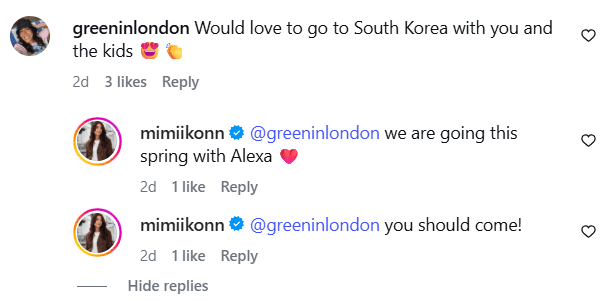
Use your brand’s unique voice, crack a joke, or use an occasional GIF. Show them there’s a real person behind the screen.

Example of a Human Response -
Reward Your Superfans
Keep an eye out for those 5–10 people who comment on everything.
These are your VIPs. Give them a shout-out, send them some unexpected surprise-and-delight swag, or invite them to a private beta-test group.
When other people see you treating your community like royalty, they’ll want in too.
-
Use Community-Led Content
Stop guessing what to post. Ask your community!
Run polls, ask for their opinions on a new product color, or feature their photos in your feed. When a follower sees their own content featured by a brand, they become a fan for life.
-
Be Proactive, Not Just Reactive
Don’t just wait for people to tag you. Go out and find them!
Search for keywords related to your industry and join the conversation where it’s already happening.
This is the street team side of social media community management. If someone is asking for a recommendation and your brand fits, jump in with a helpful (not salesy) tip.
-
Host Live Rituals
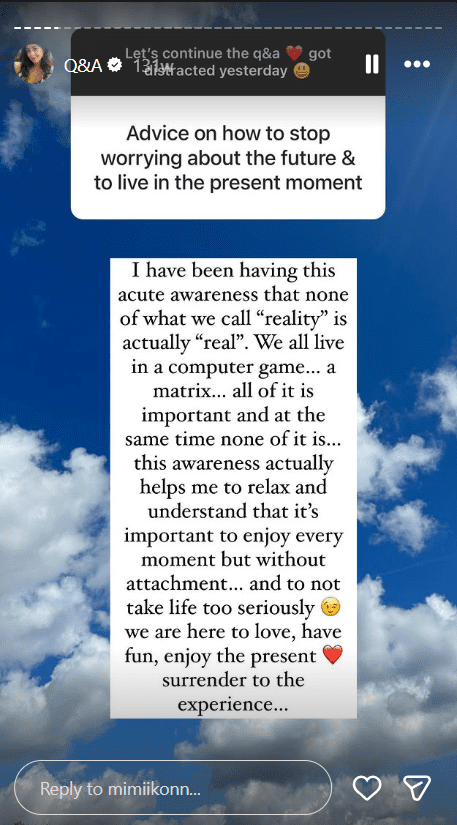
Whether it’s a weekly Ask Me Anything (AMA) on Instagram Live or a monthly Discord hangout, rituals create a heartbeat for your community.
AMA Feature on Instagram It gives people a specific time and place to gather. Consistency is what turns a group of strangers into a community.
-
Lean Into Niche Spaces
As I mentioned earlier, the big public feeds are crowded. Growth now often happens in micro-communities.
Don’t be afraid to start a niche Facebook Group or a Telegram channel for your most dedicated users. Smaller groups usually lead to much deeper engagement.
-
Empower Your Community to Help Each Other
The ultimate goal of social media community management is for the community to run itself.
When a new member asks a question and an old member jumps in to answer it before you even see it, well, that’s the dream.
Encourage this by publicly thanking people who help others.
-
Set a Vibe and Protect It
Growth isn’t just about adding people; it’s about keeping the right ones.
Don’t be afraid to moderate. If someone is being toxic or ruining the vibe, show them the door. A smaller, healthy community will always outgrow a large, toxic one in the long run.
Featured Article: Social Media Management for Teams
5 Social Media Community Management Examples From Real Brands
I always say that the best way to learn is by ethical stealing, taking what the giants are doing and scaling it down for your own brand.
These five brands are absolutely crushing the social media community management game.
They don’t just post; they build worlds. Let’s look at why they work.
-
Duolingo: The Master of Unhinged Engagement
If you’ve been on TikTok lately, you’ve seen Duo the Owl. Duolingo has moved beyond simple management into full-blown character lore.
@duolingo get a jumbo plushie, there’s more of me to love #duolingo #plushie ♬ original sound – ♱⃓-𝔾𝕙𝕠𝕤𝕥𝕝𝕪-♱⃓ - The Secret: They treat their mascot like a creator, not a corporate asset. They lean into unhinged humor and playfully threaten users who miss lessons.
- The Lesson: Don’t be afraid to have a personality. By engaging in feuds with competitors (like Google Translate) and replying to fans with snarky wit, they’ve built a social media community that creates memes for them.
-
LEGO: Co-Creating the Product Line
LEGO is the gold standard for online community management. Their LEGO ideas platform is a masterpiece of community-led growth.
- The Secret: They allow fans to submit designs for new sets. If a design gets 10,000 votes, LEGO considers making it a real product.
- The Lesson: Give your community a seat at the table. When people feel like they helped build the brand (literally, in this case), their loyalty becomes unbreakable.
-
Starbucks: Creating the Third Place Online
Starbucks has always called its stores the Third Place (between home and work). They’ve successfully moved that vibe to social media.
- The Secret: They use “The Leaf Rakers Society”, a private Facebook group for Pumpkin Spice enthusiasts, to foster deep, niche engagement.
- The Lesson: You don’t need a million people in one room. Sometimes, creating sub-communities for your most obsessed fans is where the real magic (and referral traffic) happens.
-
Glow Recipe: The Glow Gang Ambassador Power
Beauty brand Glow Recipe doesn’t just have followers; they have an army called the Glow Gang.
- The Secret: They have a formal community program where members get to test products before they launch in exchange for honest content. They move the conversation into private groups where fans share shelfies and skincare routines.
- The Lesson: Turn your best customers into your best marketers. By rewarding your social media community with early access, you create a self-sustaining content engine.
-
Ryanair: Turning Complaints into Content
Ryanair is a fascinating example of anti-marketing. They are known for being a budget airline, and instead of hiding it, they own it.
- The Secret: They use self-deprecating humor to respond to complaints about legroom or extra fees. They use the talking airplane filter on TikTok to humanize the brand in the most ridiculous way possible.
- The Lesson: Transparency is a superpower. If you can laugh at yourself alongside your community, you take the power away from the trolls and build a brand that feels incredibly authentic.
Best Social Media Community Management Tool: Social Champ
If you’re feeling overwhelmed by everything we just talked about, take a deep breath.
I’ve been there, staring at twenty different tabs, trying to remember if I replied to that urgent DM on LinkedIn or just dreamed I did.
In my personal opinion, if you want to run a professional social media community management operation without losing your mind (or your entire budget), Social Champ is the tool you want in your corner.
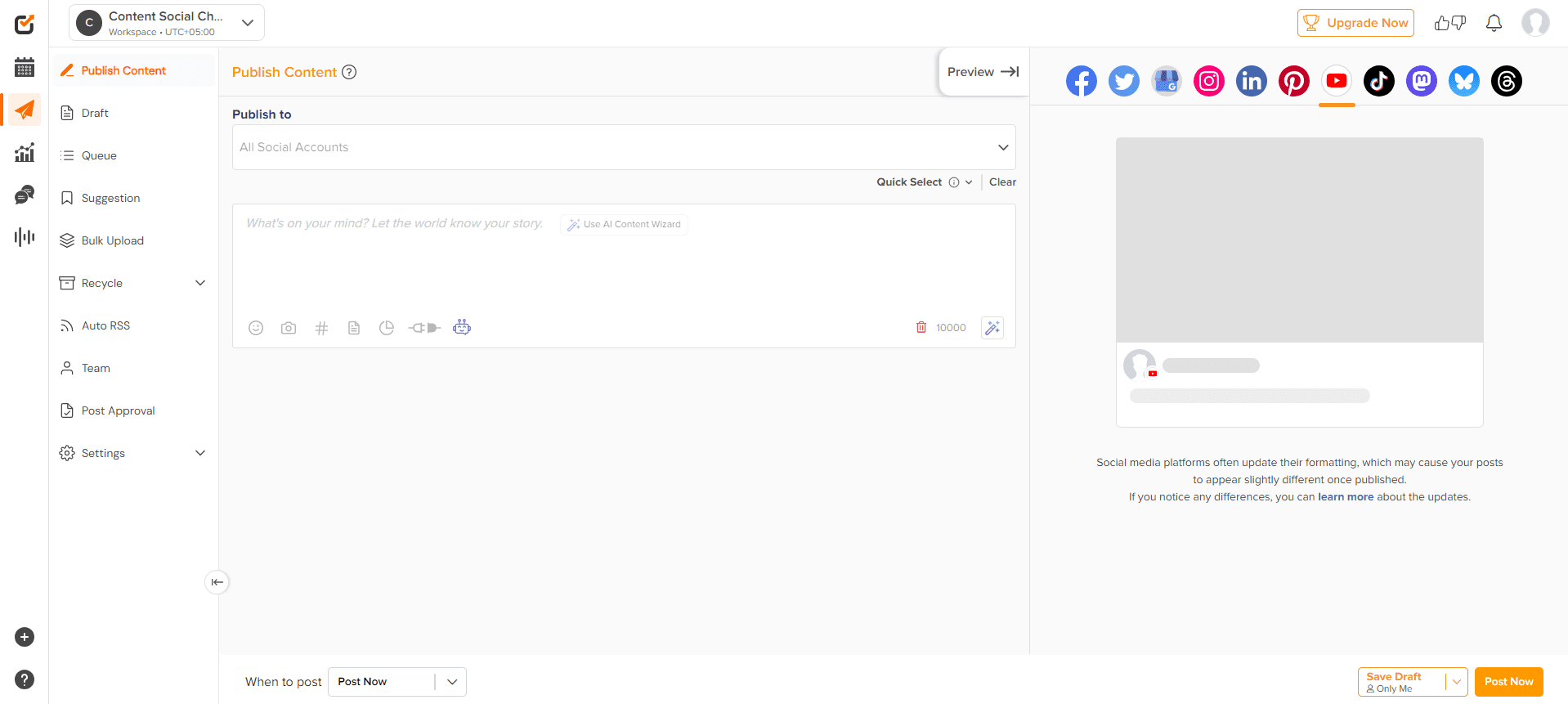
It’s built for the exact workflow we just mapped out.
Here’s how it actually solves those day-to-day headaches:
-
The Social Inbox: No More Platform Hopping
The biggest pain point in online community management is the constant switching between apps.
Social Champ’s Social Inbox pulls your DMs and comments from Facebook, Instagram, TikTok, and more into one single view.
-
Team Collaboration That Actually Works
We talked about that RACI chart earlier, and Social Champ makes it a reality.
You can assign specific messages to team members and leave internal notes that the customer never sees.
-
A Calendar That Sees the Whole Picture
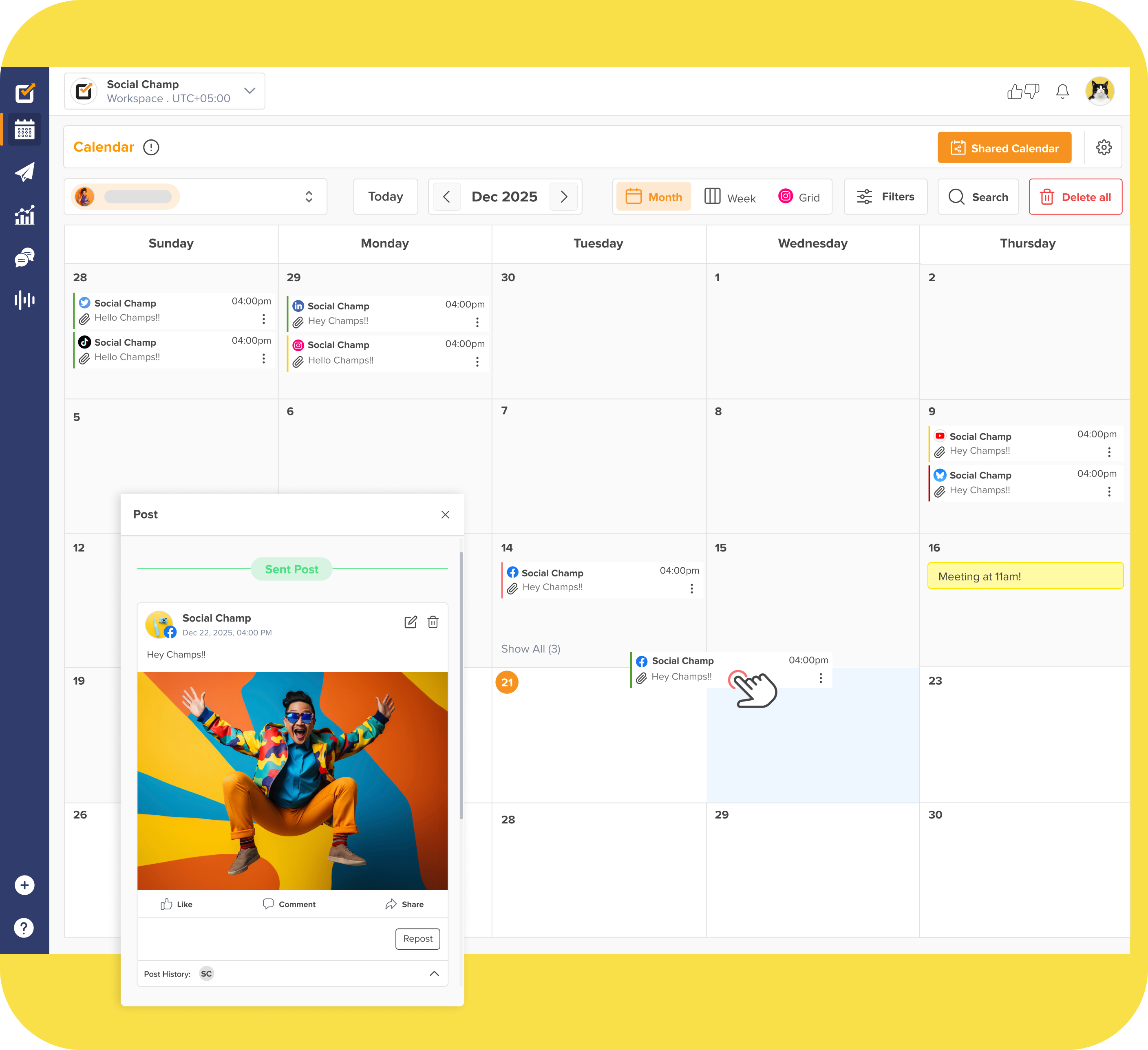
Your community lives and breathes based on your content. The visual content calendar lets you see your entire 90-day rollout at a glance.
-
Analytics That Prove Your Worth
When your boss asks, “What’s the point of all this chatting?”, you won’t have to scramble for an answer.
Social Champ’s Analytics and Reporting gives you clear, white-labeled reports on sentiment, engagement rates, and even the best times to post based on when your specific community is awake.
The Workflow in Action:
- Publish: Use the calendar to schedule your ritual posts.
- Engage: Use the Inbox to handle the 1-on-1 relationships.
- Analyze: Use the reports to see what’s working and do more of it.
Honestly, it feels like having an extra team member who never sleeps.
It’s about spending less time on the logistics and more time on the actual social media community you’re trying to build.
Your Community Is Talking. Are You Listening?<
Every DM, comment, and mention is happening right now, without you. Social Champ pulls every conversation into one inbox so you never miss a moment that builds trust (or loyalty).
Featured Article: Appsumo Reviews: A Go-to Resource for the Latest Deals
Conclusion
If you’ve made it this far, you’re already miles ahead of most brands that are still stuck in the post and pray mindset of 2022.
Building a social media community isn’t about being the loudest voice in the room; it’s about being the one who actually listens.
I truly believe that the brands that win this year won’t be the ones with the biggest ad budgets, but the ones with the most human hearts.
I know it feels like a lot of work (and it is!), but I promise you, when you see a customer defending your brand in the comments or a group of strangers helping each other out in your forum, you’ll know it’s worth it.