I remember a time when if I wanted to find a recipe for a spicy pasta or research a new laptop, I’d open a browser, type a few words into Google, and start clicking through blue links.
But lately, I’ve noticed a shift in my own behavior. If I want to see how a jacket actually fits a human being, or if I’m looking for a hidden gem restaurant in a city I’m visiting, I don’t go to a search engine. I go to TikTok or Instagram.
And it turns out, I’m not alone.
Short Summary
- Social search is rapidly replacing traditional search engines, with over 40% of Gen Z turning to platforms like TikTok and Instagram first to find information.
- The shift is driven by a desire for trust and transparency, as users prefer seeing real people and unfiltered reviews over SEO-optimized text links.
- Modern platforms function as a sophisticated social search engine by indexing video, audio, text overlays, and captions to match content with user intent.
- Social search ads are more effective than traditional digital ads because they appear when a user is in discovery mode, feeling like a helpful recommendation rather than an interruption.
- To stay findable, brands must shift from high-production commercials to humanized content that mimics the visual language of organic creators.
According to research, about 41% of Gen Z now turn to social platforms first when they need information, surpassing traditional search engines for the first time.
So, I have to ask: if I searched for your brand or your category on a social search engine right now, would I find you, or would I find your competitor’s high-energy video?
If your answer is the latter, this blog is perfect for you.
What You’ll Learn
- Why users (including me) are ditching the traditional search bar for TikTok, Instagram, and Pinterest.
- How a modern social search engine actually ranks your content based on more than just keywords.
- How to effectively use social search ads to capture high-intent buyers in the moment they are looking for answers.
- Why social SEO is no longer optional if you want to remain visible in 2026 and beyond.
Dominate Every Search Bar Without the Burnout!
The Death of the Link and the Rise of the Vibe
The reason I’ve started preferring social search over traditional methods is simple: trust and transparency. When I search Google, I often get a wall of SEO-optimized articles that all say the same thing.
When I search on social media, I get a person. I see a video of a real human using a product, I read the unfiltered comments, and I get a sense of the vibe that a star rating just can’t convey.
For millions of users, platforms like TikTok, Instagram, and even Pinterest have become the new home button. They aren’t just places to scroll; they are libraries of visual information. This shift has turned the traditional marketing funnel on its head.
Discovery and purchase used to be separate steps; you’d find a brand in one place and buy it in another. Now, those moments have collapsed into a single micro-moment.
Featured Article: How to Unlink Facebook and Instagram?
How Social Search Engines Work (And Why It Matters)
I think some brands get stuck thinking that social media is just about going viral. In reality, the algorithms have evolved.
TikTok and Instagram are now functioning like sophisticated search engines. They index the text in your captions, the words you say in your videos, and even the text overlays on your screen.
-
Decoding the Social Search Engine Algorithm
Unlike Google, which crawls the web to map out links and authority, a social search engine maps out behavior and relevance. Every time I search for something on a platform like TikTok, the algorithm is looking at three distinct layers of data:
- Content Metadata: This is the basic stuff, your captions, hashtags, and the location tags you use.
- Video Recognition Technology: This is the part that blows my mind. The AI is actually listening to the audio and scanning the frames for objects and text overlays. If you say the keyword in your video, the algorithm understands that your content is a direct match for that search query.
- User Interaction Signals: Social platforms prioritize content that people actually stick around to watch. High watch time and a busy comment section tell the search engine that this specific video is the most helpful answer to a user’s question.
-
The Shift from Keywords to Intent
In the old days of SEO, we used to focus on high-volume keywords. But in the world of social search, I find that intent matters much more than volume. People don’t just search for coffee; they search for the best aesthetic coffee shops in Brooklyn with Wi-Fi.
This long-tail search behavior is where the magic happens. It allows you to create highly specific content that meets a user exactly where they are in their journey.
When I create content now, I’m not just thinking about what sounds good; I’m thinking about what specific problem I am solving for the person on the other side of the screen. If you can become the most helpful resource for those specific queries, you don’t need a million followers to drive massive sales.
-
The Feedback Loop of Social Search
One of the coolest things about social search is the immediate feedback loop. On Google, it might take months to see if your SEO strategy is working. On a social platform, I can see within hours if people are finding my content via search.
By looking at your analytics, you can see exactly what terms people used to find your video. I use this data constantly to refine my strategy.
If I see people are finding my videos by searching for sustainable packaging, I know I need to lean into that topic more. It’s a living, breathing conversation between you and your audience that traditional search just can’t replicate.
Featured Article: How to Get More Likes on Facebook?
Why Your Social Search Ads Need a Human Touch
I’ve seen so many brands dump money into social search ads that look exactly like billboards. The problem is, on a social platform, we aren’t looking for billboards; we are looking for advice. When your ad appears in the search results, it needs to blend in while standing out.
In 2026, the most effective ads are those that solve a problem first and sell second. I call this searchable storytelling. Instead of a flashy “Buy Now” graphic, the ad should look like a creator answering a specific search query.
Like this video!
View this post on Instagram
Creator-Led Examples That Nailed It
I’ve been watching how top brands are pivoting their social search engine strategy by letting creators take the lead. Here are a few examples that really caught my eye:
-
Olipop and the Sleepy Girl Mocktail
When the “Sleepy Girl Mocktail” trend took off, Olipop didn’t launch a corporate campaign. They partnered with creators to make “how-to” videos that appeared when people searched for natural sleep hacks. It felt like a community discovery, not an ad.
@drinkolipop making the viral sleepy girl mocktail 😴🍒🍋🥤for better sleep & a happier gut #sleepygirlmocktail #sleeptips #olipop #mocktailrecipe #sleephacks #drinkolipop ♬ original sound – OLIPOP -
Sephora’s Gift Guides
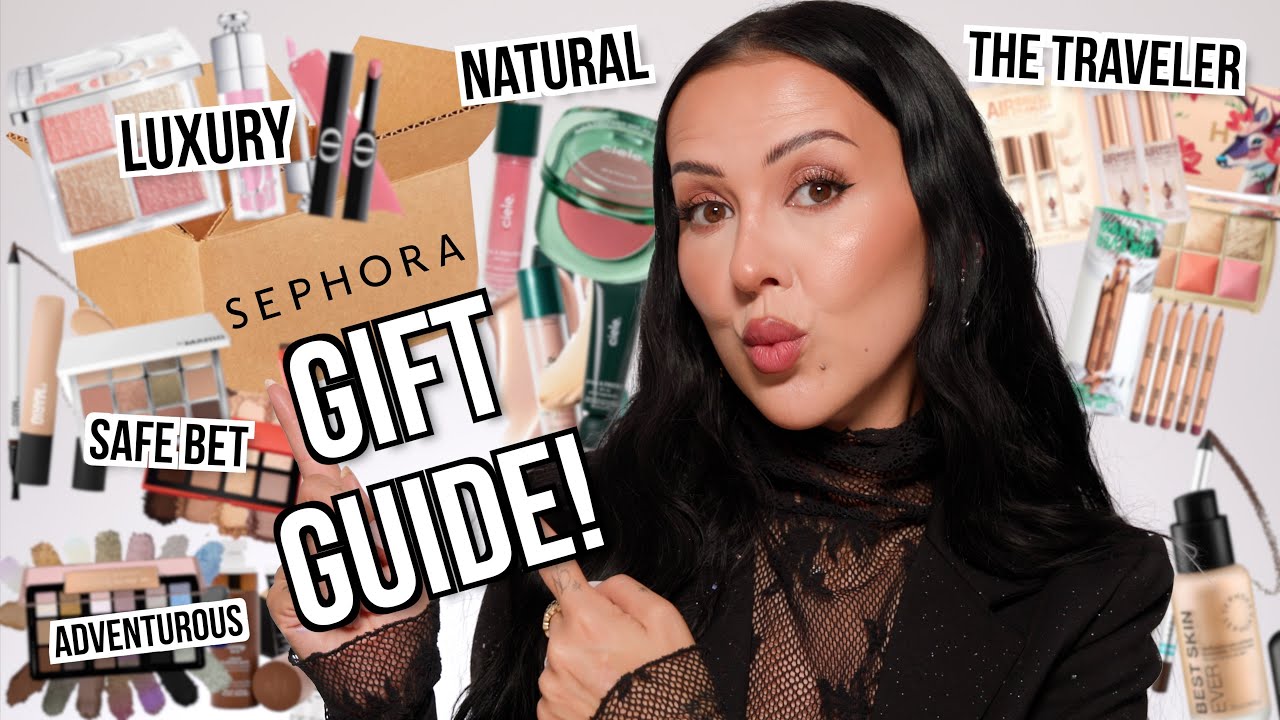
During the holidays, Sephora didn’t just run broad commercials. They worked with YouTube Shorts creators to make specific gift guides for picky sisters or budget-friendly skincare for teens. These ads appeared precisely when shoppers were frantically searching for gift ideas.
-
Uber Teens
Uber used vlog-style ads to show the reality of being a parent to a teenager. By showing the feature in action through a relatable family, they saw a massive 110% lift in searches for “uber teens.”
View this post on Instagram
Pro Tips for Winning at Social Search Ads
- In a social search environment, you have roughly 1.5 seconds to prove you are relevant to the searcher’s intent. Start with the “Why” immediately.
- Don’t just rely on the ad manager to place text. Use the platform’s native font and text overlays. It makes the ad look organic in the feed.
- I always suggest posting content organically to see what gets the most “saves” and “shares.” Once you have a winner, amplify that specific post with paid spend.
- Since TikTok and Instagram listen to audio, make sure the creator actually says the primary keyword out loud within the first 3 seconds.
How to Make Your Brand Actually Findable?
I’ve talked to a lot of business owners who are still pouring 90% of their budget into traditional search while their audience has moved elsewhere. If you want to stay relevant in 2026, here is how I think you should be looking at your strategy:
- Stop thinking only about your blog titles. What are the text overlays in your Reels saying? Are your captions descriptive enough for an algorithm to read them?
- In social search, the comment section is your new FAQ page. I often trust the comments more than the post itself. Engaging there isn’t just good PR; it’s part of your searchability.
- If your content looks like a commercial, people will skip it. If it looks like a recommendation from a friend, they’ll watch it.
- Use social search ads to target specific queries, not just broad interests. Show up when people are looking for a solution.
How Do I Manage It All?
I know what you’re thinking: I’m already busy enough, and now I have to optimize for eleven different search bars? This is exactly why I’ve integrated Social Champ into my daily workflow. If you want to master social search without losing your mind, you need a command center that actually understands social media.
What I love about it is that it doesn’t just schedule posts; it helps you build a findable brand. For instance, their Champ AI Suite is a great help when I’m trying to add keywords into captions across five different platforms at once. It ensures my messaging stays consistent.
Even more critical is the Social Inbox. Remember how I said the comment section is the new FAQ?
Social Champ pulls all those mentions and questions into one place so you can respond instantly. That engagement sends a massive signal to the social search engine that your content is active and relevant, pushing you higher in the results.
Secure Your Spot at the Top of the Social Search Results!
Conclusion
The “Google it” era isn’t over, but it definitely has company. I believe the brands that will win in the next few years are the ones that stop treating social search as a megaphone and start treating it as a resource.
We’ve moved from an internet of links to an internet of experiences. If your brand isn’t part of that experience when someone hits the search bar on TikTok, you’re missing out on the biggest shift in consumer behavior we’ve seen in a decade.