If growth is on your 2026 vision board, selling alone will not get you there. You need to understand how your customer thinks, clicks, compares, hesitates, and finally says yes.
In the era of AI-driven discovery and Search Generative Experience (SGE), the path to purchase has changed. Customers no longer just follow a straight line from a Google search to your homepage; they interact with AI summaries, social commerce, and personalized recommendation loops.
Brands that truly understand the customer journey outperform competitors because they meet people with the right message at the right time.
Short Summary
- The customer journey maps every interaction a prospect has with your brand, from awareness to advocacy.
- Understanding each stage helps you deliver the right content at the right time.
- Key stages include Awareness, Consideration, Decision, Retention, and Advocacy.
- Tracking engagement, clicks, and sentiment ensures your strategy converts prospects into loyal customers.
- Automation tools like Social Champ, CRMs, analytics, and mapping software make the journey easier to manage and optimize.
So, what is customer journey?
The customer journey is the complete path a person takes from first discovering your brand to making a purchase and beyond.
Throughout this guide, you will not only know what the customer journey is, but you’ll also learn the stages of the customer journey and what each one means for your social media marketing strategy.
You will also discover how to create a customer journey map that actually works instead of gathering dust in a slide deck.
What Is Customer Journey?
From a marketing and sales perspective, the customer journey is the step-by-step path someone takes from first discovering your brand to becoming a paying customer and, ideally, a loyal fan. It includes every click, scroll, email open, demo request, checkout page, and follow-up message along the way.
In simple terms, the customer journey is the path. Your job is to understand that path so you can guide people through it instead of leaving them to wander.
Turn Social Engagement Into Journey Data
Difference Between Customer Journey and Customer Experience
It’s easy to use these terms interchangeably, but the distinction is what separates a high-performing brand from a stagnant one. If you mix them up, you risk building a technically perfect path that no one actually enjoys walking.
Think of it this way: The Customer Journey is the road; the Customer Experience (CX) is how it feels to drive it.
- The Customer Journey is the logistical sequence of events; the “where” and the “when.” It’s the data-driven map of every touchpoint, all the way from finding a search result to the final checkout.
- Customer Experience, on the other hand, is the emotional byproduct of those touchpoints. It’s the “how.” It’s the feeling of relief when a support team replies in seconds, or the friction felt when a mobile page takes too long to load.
Let’s look at this in action. Imagine a marketing manager searching for a way to automate their social strategy.
- The Journey: They discover a Social Champ guide via an SGE (Search Generative Experience) summary > Click through to read a blog post > Sign up for a free trial > Receive an automated onboarding sequence > Book a demo. This is the roadmap; the trackable path of clicks and conversions.
- The Experience: This is the quality of those interactions. Was the blog post actually helpful or just SEO fluff? Was the trial signup a single click or a 10-field nightmare? Did the onboarding emails feel like a helpful peer or a pushy salesperson?
What Are the 5 Key Stages of the Customer Journey?
Your customer journey is not random. It follows a clear path, and each stage has a specific goal.
Here’s a breakdown of the five key stages and what actually works in each one.
-
Awareness
Timeline Position: The Discovery Phase
This is where everything begins. Your potential customer realizes they have a problem or need, and your brand pops up on their radar.
They scroll past your post, land on your blog, see your ad, or hear about you from a friend. They know they have a problem, and your brand enters the picture as a possible solution.
What Content Works:
- Blog posts
- Social media content
- Short-form videos
- Educational guides
- SEO pages
What Metrics Matter:
- Website traffic
- Impressions and reach
- Engagement rate
- New users
At this stage, visibility is the goal. Attention is your currency.
-
Consideration
Timeline Position: The research phase
Now you have potential customers’ interest. They know you exist, and they start comparing options. They check your features, read reviews, explore your pricing, and evaluate whether you are worth their time and money.
What Content Works:
- Case studies
- Comparison pages
- Webinars
- Email nurture sequences
- Product walkthroughs
What Metrics Matter:
- Time on page
- Email open and click rates
- Demo sign-ups
- Returning visitors
Clarity and proof take center stage here. Strong value messaging keeps them moving forward.
-
Decision
Timeline Position: The conversion moment
Your prospect is ready to choose. They sign up, book a call, or complete checkout. Pricing transparency, testimonials, and smooth checkout processes matter more than ever. Small friction points can make or break this step.
What Content Works:
- Free trials
- Testimonials
- Clear pricing pages
- FAQs
- Sales consultations
What Metrics Matter:
- Conversion rate
- Cost per acquisition
- Sales close rate
- Cart abandonment rate
Simplicity wins here. The smoother the process, the higher the conversions.
-
Retention
Timeline Position: The relationship phase
The sale is not the finish line. It is the starting point of a longer relationship. Customers decide whether to stay, renew, upgrade, or quietly disappear.
What Content Works:
- Onboarding emails
- Tutorials
- Product update announcements
- Loyalty offers
- Customer support resources
What Metrics Matter:
- Retention rate
- Churn rate
- Customer lifetime value
- Product usage rate
Consistency builds trust. Strong onboarding increases long-term loyalty.
-
Advocacy
Timeline Position: The growth multiplier
Now things get exciting. Happy customers start promoting you without being asked. They leave reviews, refer friends, and talk about you online.
What Content Works:
- Referral programs
- Testimonial campaigns
- Community engagement
- User-generated content
What Metrics Matter:
- Net Promoter Score
- Referral rate
- Review volume
- Social shares
Advocates amplify your reach faster than any paid campaign ever could.
When you align your content, messaging, and metrics with these five stages, your customer marketing strategy stops feeling scattered. Instead, it feels intentional, strategic, and surprisingly smooth.
Featured Article: How to Manage Social Media: Essential Tips & Strategies
The Nonlinear “Messy Middle” Customer Journey
While the five stages look neat on a slide deck, the reality of a customer journey is rarely a straight line. It is a looping, repetitive process.
Modern buyers don’t just move from Awareness to Consideration; they bounce back and forth in what Google calls “The Messy Middle.” This is the space between the first trigger and the final purchase, where customers are caught in a cycle of exploration and evaluation.
- Exploration (Expansive): Customers add brands to their mental shortlist. They scroll TikTok, ask AI chatbots for recommendations, and read community threads.
- Evaluation (Reductive): They get picky. They compare your Social Champ analytics reports against competitors, look for specific “hidden” fees, and hunt for negative reviews.
Expert Tip: In 2026, the goal isn’t just to “push” someone to the next stage. It’s to be present with the right information while they are looping. If a prospect drops from the “Decision” stage back to “Consideration,” an automated, value-driven email or a retargeted social proof video can pull them back.
Why the “Linear” Model is Changing
With the rise of social commerce and AI-driven search, the journey has become compressed. A user might discover a product on an Instagram Reel (Awareness) and buy it via an in-app checkout (Decision) in under 60 seconds. Alternatively, a B2B buyer might stay in the “Evaluation” loop for six months.
How to win in the Messy Middle:
- Ensure Brand Presence: Be where they explore (Social, Search, Communities).
- Provide Instant Clarity: Use Social Champ to consistently post “Evaluation” content (FAQs, Comparison charts) so they don’t have to leave your ecosystem to find answers.
- Close the Gap: Minimize the distance between discovery and purchase with “Buy Now” buttons and direct DMs.
Master the Messy Middle!
How to Map the Customer Journey: A Step-by-Step Framework
A customer journey map turns scattered interactions into a clear, strategic path you can actually optimize.
Here’s the simple framework you can use to build one that works.
Step 1: Define Goals + Success Metrics
Start with clarity. You need to know exactly what you want this journey to achieve. More trial sign-ups? Higher retention? Faster sales cycles? Pick a clear objective and attach numbers to it.
Success metrics keep you honest. Conversion rate, churn rate, demo bookings, customer lifetime value, and engagement rates all tell you whether the journey performs or just looks pretty in a slide deck.
Step 2: Create Customer Personas
You are not mapping a journey for “everyone.” You are mapping it for someone specific. That means defining who your ideal customer is, what they care about, what problems they face, and what motivates them to act.
Good personas include role, industry, pain points, buying triggers, and objections. A B2B marketing manager behaves differently from a startup founder. Different roles mean different journeys.
Specific personas lead to specific messaging. Specific messaging converts better.
Step 3: Identify Key Touchpoints
Touchpoints are every place your customer interacts with your brand. Website visits, social posts, ads, onboarding emails, demos, support chats, and billing reminders. They all count.
List them stage by stage. Awareness touchpoints look very different from retention touchpoints. A blog post belongs at the top of the funnel. A renewal email belongs much later.
When you see all touchpoints in one place, gaps become obvious. Friction points stand out, and opportunities become clearer.
Step 4: Outline Emotional Triggers and Blockers
Decisions are emotional first and logical second. Your map should reflect that.
At each stage, identify what pushes customers forward and what holds them back. Trust accelerates decisions. Doubt delays them.
When you understand emotional triggers and blockers, your strategy shifts from transactional to persuasive.
Step 5: Align Messaging With Each Stage
One message does not fit every stage. Your messaging must match the customer’s mindset at that exact moment.
Educational blog posts work early. Case studies work mid-journey. Testimonials and guarantees shine at the decision stage.
When messaging aligns perfectly with each stage, your content moves customers forward instead of confusing them.
Step 6: Use Feedback Loops and Update the Map
A customer journey map is not a one-and-done project. Markets shift, customer behavior evolves, and products improve over time.
Use surveys, support tickets, analytics, sales feedback, and churn data to refine your map regularly. If users drop off during onboarding, adjust that stage. If demo requests spike after a new case study, double down on it.
Continuous updates keep your journey accurate and effective.
When you follow this framework, your consumer journey stops being a theory and starts becoming a growth engine. Every stage connects, every touchpoint has purpose, and every metric tells a story you can act on.
Map, Schedule, and Automate Your Social Strategy
What Are the Most Common Touchpoints in the Customer Journey?
Touchpoints are everywhere your customer meets your brand, both online and offline. Each one is a chance to impress, educate, or nudge someone closer to a purchase.
Here’s a quick checklist of the most common touchpoints you’ll encounter:
- Ads: Paid search, display banners, and social ads catch attention first. They introduce your brand and set the stage for everything that follows.
- Social Media: From posts and stories to reels, comments, and DMs, social channels keep the conversation going. They build awareness, spark interest, and give your brand a human touch.
- Blogs: Blogs educate or entertain, answer questions, and position you as an expert. They naturally guide prospects from curiosity to consideration.
- Landing Pages: Once someone clicks, landing pages take over. Designed for conversions, they turn visits into sign-ups, downloads, or sales.
- Emails: Nurture sequences, promotions, and updates keep prospects engaged. Emails bridge the gap between interest and action and move people along the journey.
- Onboarding: After the first conversion, onboarding guides, tutorials, and welcome emails help customers get value fast and start loving your product.
- Customer Support: Live chat, helpdesks, FAQs, and feedback channels wrap it all up. Strong support keeps retention high and frustration low, making your customers happy advocates.
Touchpoints are also split into online and offline experiences. Online includes websites, social media, emails, and digital ads.
Offline covers events, in-store interactions, phone calls, and direct mail. Both matter, and most journeys blend the two seamlessly.
To prioritize, track the impact of each touchpoint. Metrics like engagement, conversion rates, response times, and customer satisfaction show which touchpoints drive results and which need a boost. Focus on the high-impact areas first, then refine the others over time.
When you analyze and optimize touchpoints, your journey stops feeling like guesswork and starts feeling like a guided experience customers actually enjoy.
Featured Article: Omnichannel Customer Experience: The Key to Seamless Engagement & Business Growth
How Does the Customer Journey Differ in B2B vs B2C Marketing?
The customer journey looks very different depending on whether you are selling to businesses or individual consumers. The differences show up in length, decision-making, and the types of touchpoints that matter most.
Understanding these distinctions helps you tailor content, messaging, and strategy for maximum impact.
Customer Journey in B2C Marketing
In B2C marketing, the journey is usually shorter. Decisions are often made by a single person, emotions run high, and impulse can play a big role.
For example, a clothing brand might capture attention with a social ad, encourage a quick purchase through a discount, and follow up with email recommendations.
Customer Journey in B2B Marketing
In B2B marketing, the journey is longer and more complex. Multiple stakeholders, often across departments, are involved, and the stakes are usually higher.
Take a software company selling a project management tool, for example. Prospects explore features, request demos, consult peers, and analyze ROI before making a purchase.
Touchpoints like webinars, detailed case studies, and personalized consultations become critical.
Here’s a side-by-side comparison to make the difference between customer journeys in B2C and B2B crystal clear:
| Feature | B2C (Clothing Brand) | B2B (Software Company) |
|---|---|---|
| Decision Time | Hours to days | Weeks to months |
| Decision-Maker | Single consumer | Multiple stakeholders/departments |
| Touchpoints | Ads, social media, website, email, reviews | Webinars, demos, case studies, email nurturing, sales calls |
| Content Style | Emotional, visual, fun | Informational, detailed, ROI-focused |
| Goal | Quick purchase | Long-term relationship |
| Metrics | Conversion rate, average order value, repeat purchase | Lead quality, demo requests, pipeline progression, lifetime value |
B2C vs. B2B Comparison Table
B2B journeys are a bit more complex compared to B2C journeys, so they require a thoughtful approach to guide prospects effectively. Here are some practical recommendations for B2B journeys:
- Map every decision-maker and stage: Make sure you know who’s involved in the buying committee and what each person cares about at every step.
- Use educational, trust-building content: Whitepapers, demos, and case studies help prospects understand value and feel confident in their decision.
- Nurture leads across multiple touchpoints: B2B decisions take time, so stay present with emails, webinars, and follow-ups that keep them moving forward.
- Track meaningful metrics: Look at engagement, influence, and pipeline progress, not just immediate conversions, to see how well your journey performs.
B2B journeys require patience and strategy, while B2C focuses on speed and emotional connection. Knowing which path your customers walk lets you guide them effectively from awareness to advocacy.
Track Engagement Across All Channels With Social Champ
Best Tools to Visualize and Optimize the Customer Journey in 2026
Running a smooth consumer journey takes more than guesswork. You need tools that help you see, measure, automate, and optimize every interaction.
The right mix of mapping, analytics, automation, and social CRM tools lets you turn messy paths into clear, actionable flows that actually convert.
Here’s a handy breakdown of the top tools by function:
| Function | Top Tools | What They Do |
|---|---|---|
| Mapping Tools | Lucidchart, Figma, UXPressia | Help you create visual maps of your customer journey, identify gaps, and design smoother paths for each stage. |
| Analytics | GA4, Mixpanel, HubSpot | Track user behavior, clicks, conversions, and funnel drop-offs. Analytics show you what’s working, what’s slowing people down, and where to focus your energy. |
| Automation | Mailchimp, ActiveCampaign, Social Champ | Automate content delivery, emails, and messaging across every stage. These tools save time and ensure no touchpoint is missed. |
| CRM | Salesforce, HubSpot, Zoho | Manage customer data, track interactions, and maintain a complete view of your prospects and customers over time. |
Featured Article: 15 Best Customer Service Software for Social Media Management and Beyond
Why Social Champ Is the Engine for Your Journey-Driven Marketing
Mapping a customer journey is only half the battle; the real challenge is executing it at scale. In 2026, manually posting for every stage of the funnel is impossible. Social Champ bridges the gap between your strategy and your audience by automating the “Messy Middle” and more.
Orchestrate Your Content Calendar by Stage
Stop viewing your social feed as a random stream of updates. Social Champ’s Social Media Calendar allows you to visualize your entire funnel in one view.
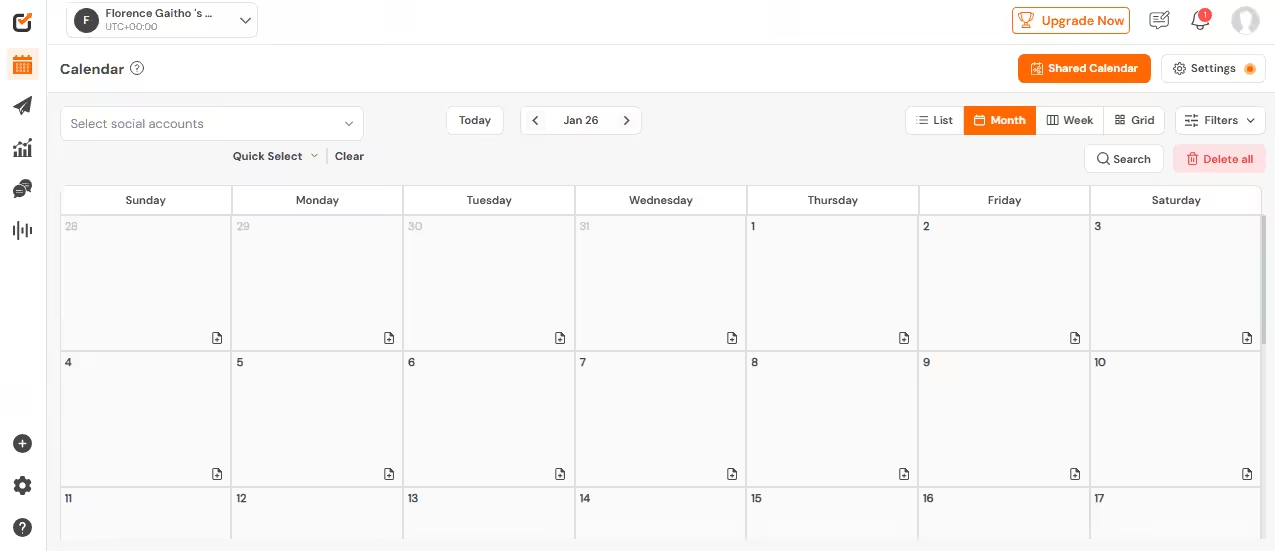
- Awareness: Queue up educational Reels and curated industry news to capture top-of-funnel interest.
- Consideration: Use the Bulk Upload feature to schedule a month’s worth of deep-dive tutorials or case study snippets. Thanks to this feature, you can schedule many posts and post to all social media at once.
- Decision: Pinpoint the perfect moment for high-intent offers using the AI Suggested Time feature, ensuring your “Buy Now” posts hit when your audience is most likely to convert.
Close the Loop With AI-Powered Analytics
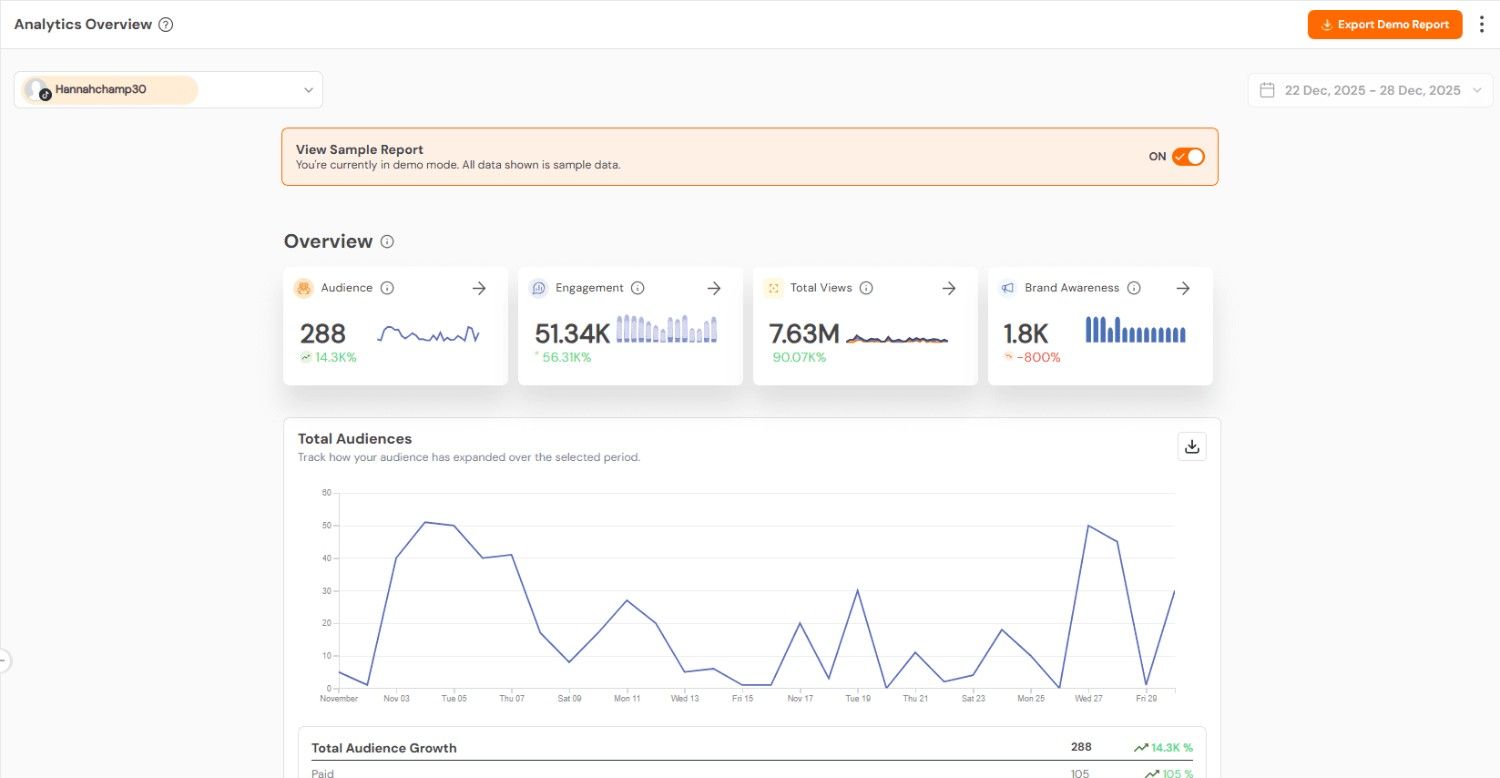
A journey is only effective if you can see where people are dropping off. Social Champ doesn’t just track “likes”; it provides the data needed to optimize the path.
- Sentiment Analysis: In 2026, engagement isn’t enough. Our sentiment tracking tells you how people feel during the Retention stage. If sentiment dips, you can pivot your strategy before churn happens.
- Click-Through Tracking: Identify exactly which posts are moving users from the “Consideration” stage to your “Decision” landing pages.
- Custom White-Label Reports: These reports are perfect for B2B teams needing to prove the ROI of the customer journey to stakeholders.
Automate Advocacy Without Losing the Human Touch
The “Retention” and “Advocacy” stages are where most brands fail because they stop paying attention. Social Champ’s Auto RSS and Recurring Posting features keep your brand top-of-mind for existing customers. Automating your best-performing “How-To” content can also let you turn casual users into vocal advocates, all without burning out your social team.
Master the Social Media Journey
Conclusion
Understanding the customer journey is no longer optional; it’s essential for growing your brand and keeping customers happy. When you map each stage, align content, track interactions, and use the right tools, you turn every touchpoint into an opportunity.
When you want to guide your audience seamlessly through every stage of the customer journey, using a tool like Social Champ makes perfect sense. It lets you schedule content aligned with every stage, track clicks and engagement, and even measure sentiment across touchpoints. It simply keeps your journey smooth, smart, and stress-free.