
When you meet someone new, you unconsciously build a first impression, don’t you?
And it can be wrong, but that first impression usually decides whether you will befriend them or not.
Well, in the business world, that first impression is built on the basis of your brand image.
I’ve been thinking about this a lot lately, and it’s crystal clear to me: If you don’t have a good brand image on social media, your business is sentenced to failure!
Think about a brand like Rare Beauty. They don’t just sell makeup; their social media has a presence built around self-acceptance and mental health.
Short Summary
- First impressions matter in business, and your brand image on social media shapes how people perceive your company.
- Brand identity is what you present; brand image is how people actually see you based on their experiences.
- A strong brand image builds trust, influences buying decisions, and helps you stand out in competitive markets.
- Visual consistency, brand voice, user interaction, and clear values all work together to form your brand image.
- A strong brand image becomes an emotional connection that drives loyalty, referrals, and long-term success.
And it doesn’t happen overnight!
You need a proper strategy to build your brand image from scratch, but most importantly, first, you should know why it is even important.
So let me help you with that!

Your Brand Image Deserves More Than Random Posting.
Craft, schedule, and deliver every piece of content with intention. Social Champ makes your brand look as professional as you actually are.
What Is Brand Image?
Did you know that 57% of customers are ready to pay more for a brand they feel connected to?
That’s what brand image does!
Now let’s talk about what it actually is.
Sometimes people use terms like “brand identity” and “brand image” interchangeably, but I see them as two distinct things, kind of like how you see yourself versus how your friends see you.
Here’s how I think about it:
- Brand Identity is who you say you are. This is all the stuff you, the business owner, control: your logo, your colors, your mission statement, the specific font you use, and the content you create. It’s the visual and verbal package you put together.
- Brand Image is who the customer says you are. This is the collective perception of your brand in the minds of the public. It’s the sum of all their experiences, feelings, and beliefs about your company. It’s what people think, feel, and say when your brand name comes up.
Think of your brand image as your reputation. It’s not what you wish people would feel, but what they actually feel.
For example, when you hear Tesla, the image that pops into your mind might be: “innovative,” “expensive,” “electric,” and “futuristic.” This image is built on their product performance
Now you might be thinking, how can I change what people think about my brand?
While you certainly cannot force a positive brand image, you can definitely influence it!
I’ll tell you how!
So you have a brand identity, you can consistently fuel it and post authentically on social media to turn your brand identity into a brand image.
When what you say matches your action, it automatically influences people’s perception of your brand.
Featured Article: How to Find Influencers for Your Next Campaign?
Why Is Brand Image Important?
Here’s a question!
If your brand image is just how people feel about you, why should you spend time and resources obsessing over it?
I mean, you wouldn’t spend your time convincing someone to like you in your personal life, would you?
Well, in real life, you probably shouldn’t, but in the business world, it is kind of important that people like your brand!
Here are the four biggest reasons why focusing on your brand image is non-negotiable:
-
It Builds Trust and Credibility
Today, people are bombarded with options online, and they’re naturally skeptical. Amidst that, a strong and positive brand image acts like a seal of approval.
When a brand like Rare Beauty consistently shows up with messages of authenticity and quality, customers don’t have to second-guess the purchase.
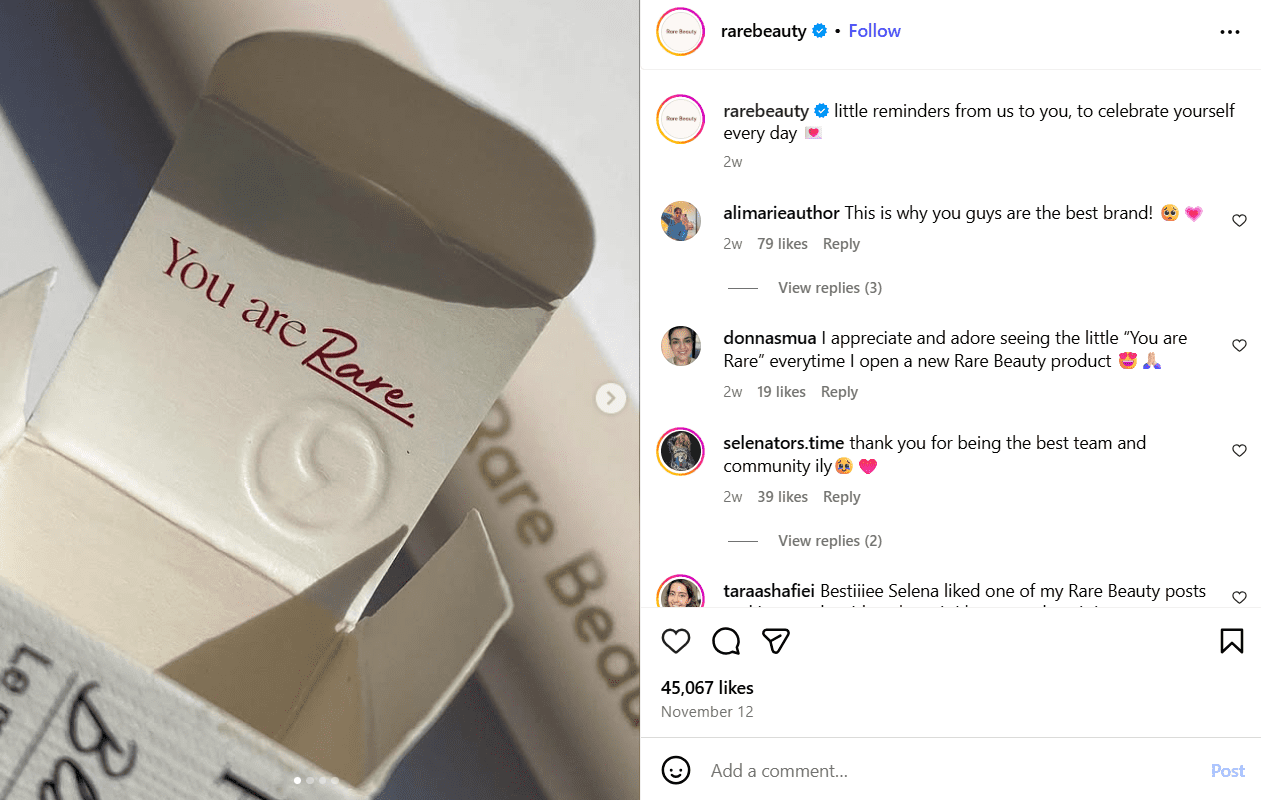
An Instagram Post by Rare Beauty They trust the product will align with the promises.
And if your brand looks professional and consistent across social media, it instantly signals that you are legitimate and serious about what you do.
-
It Drives Purchasing Decisions
Let’s be honest: most purchases aren’t purely rational; they’re emotional. Your brand image is what taps into those emotions
When your brand image resonates with a customer’s values (like, for example, a focus on sustainability or ethical sourcing), they don’t just become a customer, they become a fan.
And fans are pretty good advocates!
When your brand is associated with an emotion, the customers are ready to pay more for it!
-
It Creates Differentiation in a Crowded Market
You know your competitors are offering similar products, so what makes you different?
Your products might be comparable, but your brand image is unique.
Your look, your tone of voice, your values, and the way you interact with followers are things a competitor can’t easily copy.
It gives customers a clear, compelling reason to choose you over someone else.
A strong, distinctive image, like the fun, playful energy of a brand like Duolingo or the minimalist elegance of Apple, makes your brand stick in people’s minds long after they’ve seen your post.
@duolingo好想你❌ how’s your knee ✅ #howsyourknee #duolingo♬ @?きりたんぽ?のオリジナルサウンド – きりたんぽ🍥
Featured Article: How to Do Social Media Book Marketing?
Key Components of Brand Image
When we talk about your brand image, especially in the context of social media, it’s not just one thing; it’s a blend of several distinct elements that all work together to create that overall vibe and perception.
Here are the four key components I focus on:
-
Visual Consistency (The Look)
55% of first impressions of a brand are its visuals! This is the most immediate part of your image, and it’s what people notice in a split second as they scroll.
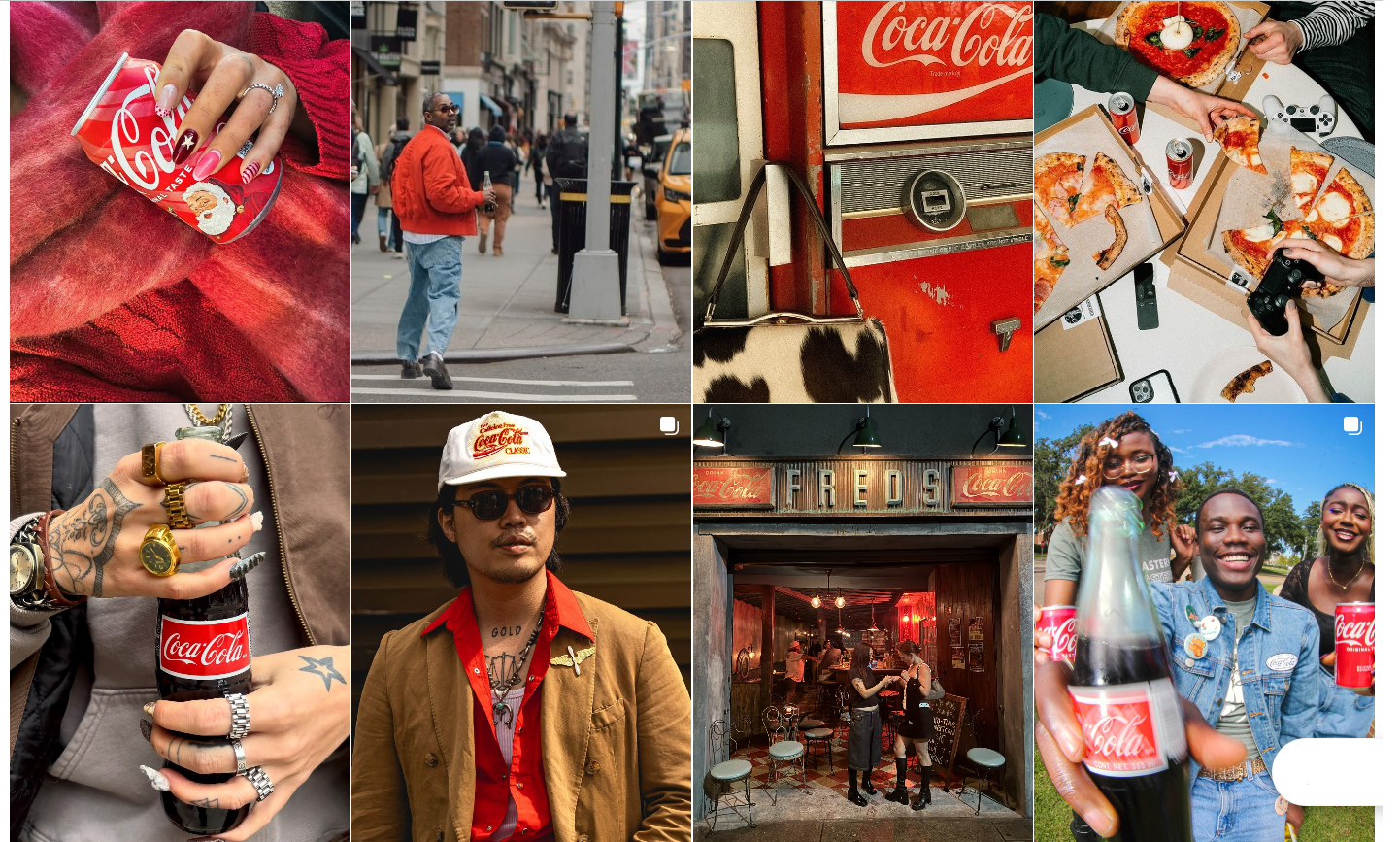
Coca-Cola’s Instagram Grid - Colors and Fonts: Are you using the same signature colors (like the soft pink of Rare Beauty or the deep red of Coca-Cola) and the same style of fonts across all platforms?
- Aesthetic and Photography: Does your feed look cohesive? Your photos should have a consistent style, filter, and overall tone. If one day you’re posting professional studio shots and the next you’re posting blurry phone snaps, that inconsistency makes your brand look disorganized and untrustworthy.
- Logo and Profile Picture: This needs to be instantly recognizable and optimized for small screens (like a profile circle).
-
Brand Voice and Tone (The Personality)
This is how you “speak” to your audience. It gives your brand a personality that people can connect with.
- Your Tone: Are you professional and authoritative, casual and friendly, or funny and sarcastic? Choose a tone that reflects your values and stick to it. For example, Duolingo’s image is built heavily on its playful, slightly aggressive tone (pestering you to do your lessons).
- Vocabulary: Do you use specific industry jargon, or do you keep it simple and accessible? The language you use should be consistent in all captions, replies, and bio descriptions.
- The Narrative: What stories do you tell? Your voice is the vehicle for sharing your brand’s mission, values, and behind-the-scenes content.
-
User Experience (UX) and Engagement (The Interaction)
Your brand image isn’t just static content; it’s shaped by how you interact with people.
- Customer Service: How quickly and kindly do you respond to direct messages and comments, both positive and negative? Ignoring complaints or responding defensively will instantly tarnish your image.
- Community Building: Do you engage with user-generated content (UGC)? Reposting customer photos or celebrating their successes makes your audience feel valued and reinforces a positive image.
- Platform Specificity: Do you post appropriate content for each platform? For example, your brand image on TikTok (quick, educational, fun) should feel different than your image on LinkedIn (professional, thought leadership), even though the underlying values are the same.
-
Values and Mission (The Heart)
This is the deepest, most powerful component, and it’s what differentiates the truly great brands.
- Authenticity: Does your brand’s social action align with what you claim to value? If you say you are eco-friendly, your packaging and supply chain should reflect that. Inauthenticity is quickly spotted and ruins a brand image instantly.
- Social and Cultural Stance: What causes do you support, and what conversations do you participate in? Rare Beauty’s focus on mental health is a core part of its mission, and its social channels consistently highlight this value. This is how you attract people who share your worldview.
Featured Article: How to Hide Likes on Instagram
How to Maintain a Positive Brand Image?
Here’s my advice on how to keep that positive perception flowing and growing:
-
Consistency Is Your Superpower
It’s kind of a no-brainer, and I have said this before, but this deserves a repeat because consistency is the most important factor when building a brand image.
Post content that always feels “on-brand.” If your voice is usually upbeat and witty, don’t suddenly post a formal, dry corporate update without adjusting the tone
Every new Instagram carousel, Facebook cover photo, or X header should align with your visual identity guide.
-
Listen More Than You Speak
You can’t maintain an image if you don’t know what people are saying about you!
Use social listening tools to track mentions of your brand, your product names, and your competitors.
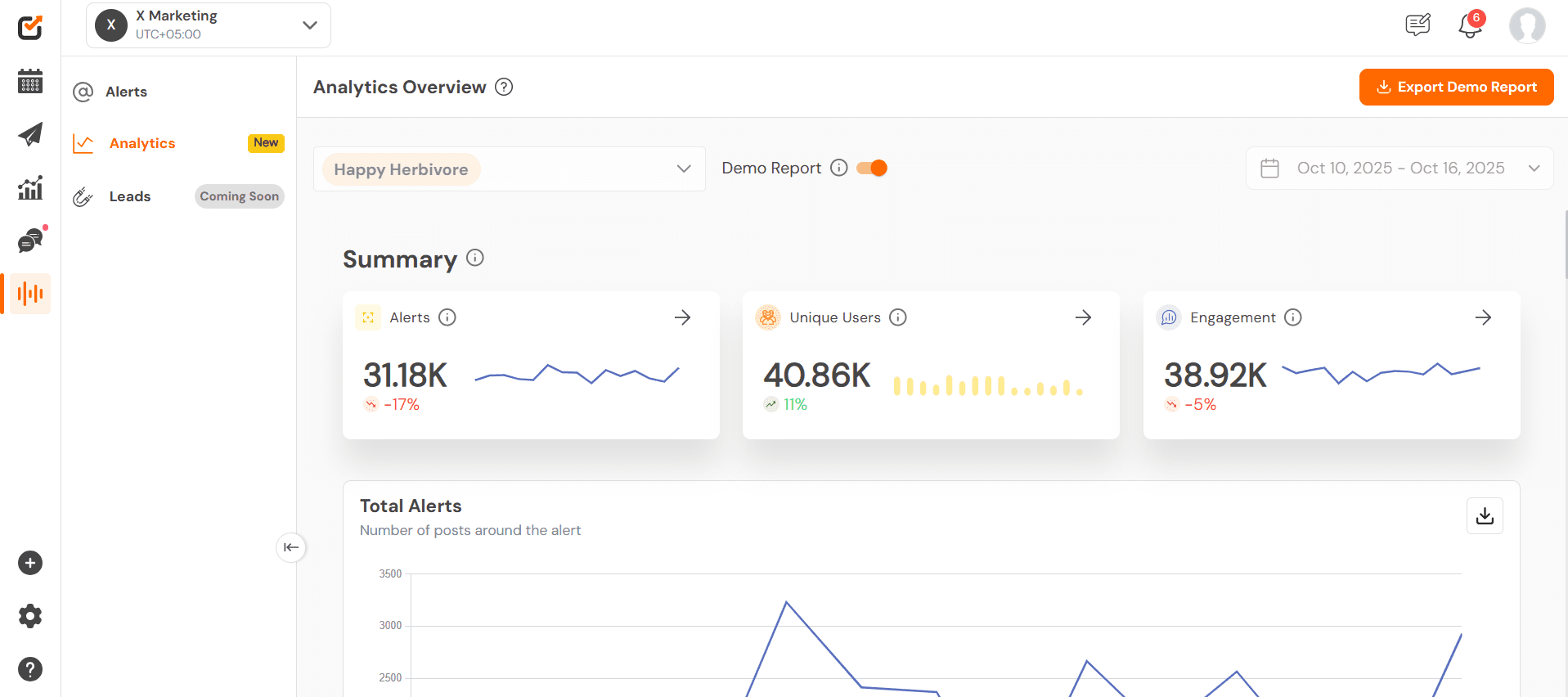
Social Champ’s Social Listening Dashboard Don’t just look at DMs; look at comments, replies, and mentions outside of your owned channels.
Negative feedback is inevitable. When it happens, address it quickly, publicly (if appropriate), and with genuine empathy.
Turning a complaint into a positive service experience is one of the best ways to boost your brand image.
-
Be Authentic, Not Perfect
People connect with people, not robots. A positive brand image feels human and relatable.
Share quick snippets of your team, your process, or the story behind a product. This transparency builds trust.
If you make an error (and you will!), own it. Honest and clearly communicate how you plan to fix it. This shows integrity, which is hugely image-boosting.
-
Stay on Track With Smart Scheduling
You want your brand image to feel effortless and present, but trying to manually post to Instagram, X, and LinkedIn every day at the ideal time is exhausting!
That’s why scheduling is essential for maintaining consistency without burning out.
Speaking of making your life easier, I personally think tools like Social Champ are super helpful here.
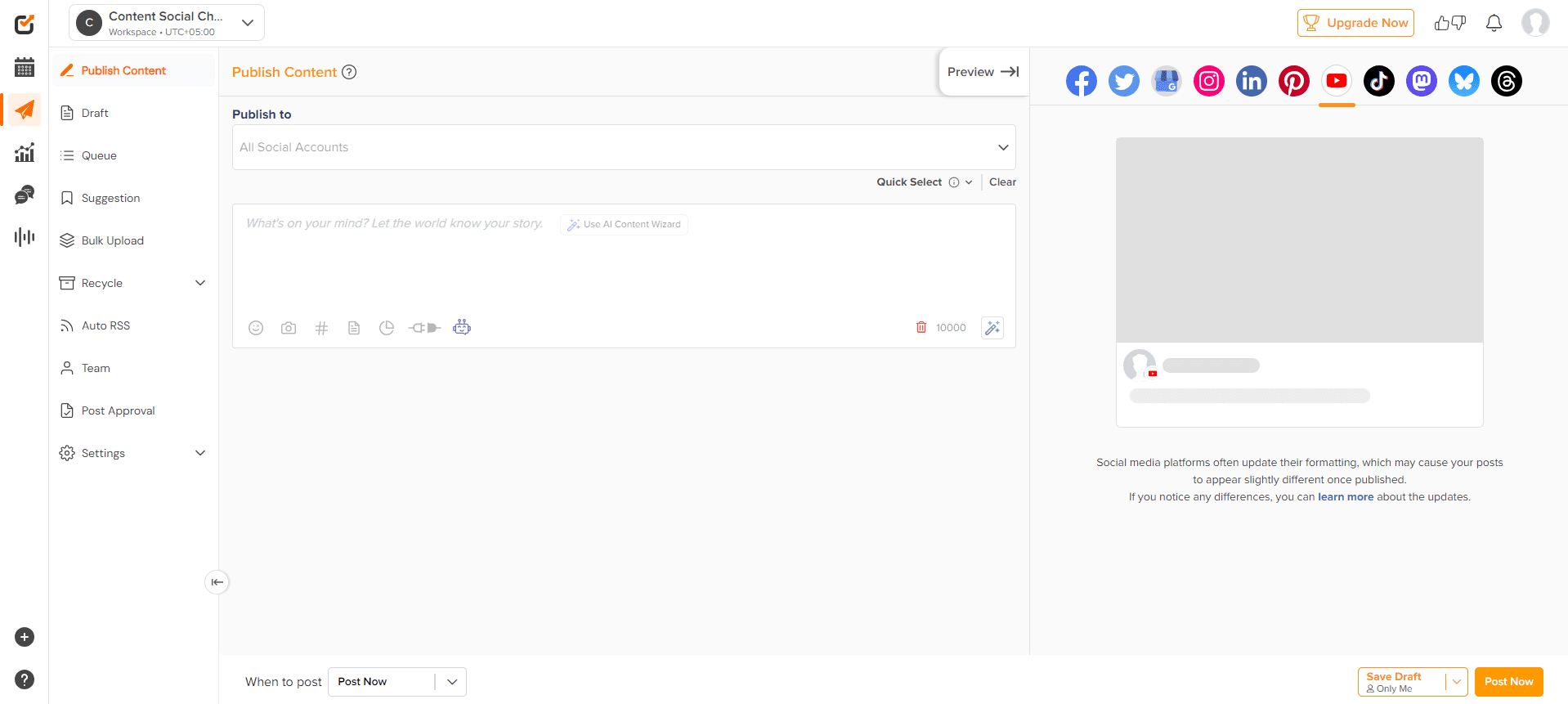
Social Champ Dashboard They allow you to plan out your content calendar days or weeks in advance, making sure your brand voice and visual consistency are locked in before anything goes live.
You can batch-create your content and then let the tool handle the on-time delivery across multiple platforms.
This predictability is key to maintaining a polished, positive image 24/7.
Stop Losing Customers to Inconsistent Posting.
Every missed post costs attention. Social Champ keeps your brand present, polished, and unforgettable, without burning you out.
Conclusion
Ultimately, here is my takeaway for you: Your brand image is your most valuable non-tangible asset.
It’s the reason why customers choose you over a competitor, why they passionately recommend you to their friends, and why they stick with you when things occasionally go wrong.
So, I encourage you to take a close look at your social media today and ask yourself: What is the public perception of my brand right now? And does it align with the business I want to be in?
If the answer is no, you now have the strategy to start shaping that perception, one consistent post at a time. Go out there and build a brand image that’s not just good, but magnetic!