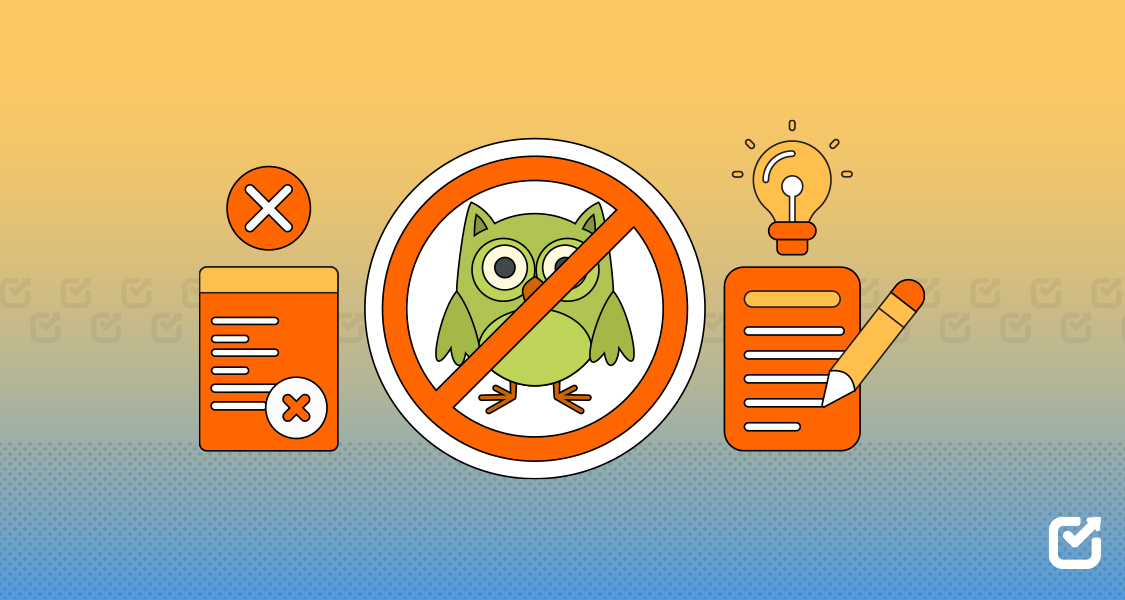
I’ll never forget waking up on the morning of February 12, 2025. I did what every self-respecting Gen Z does: I ignored my alarm and opened TikTok. But instead of the usual dance trends or recipe hacks, I was met with a video of a tragic accident involving a green owl.
https://www.tiktok.com/@duolingo/video/7470561342009707822?is_from_webapp=1&sender_device=pc
And the caption said, “Thank you for your patience with us during these tiring times. #RIPduo!”
I checked the app on my home screen. The icon, usually a perky, slightly judgmental bird, was literally melting, eyes replaced with ominous X’s.
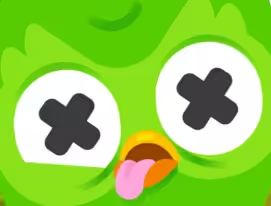
No, I wasn’t having a fever dream. I was witnessing the most brilliant marketing homicide in history and it was Duolingo social media strategy!
Most B2B marketers would have had a literal heart attack if their creative agency suggested “killing the mascot” for a laugh. But Duolingo? They were laughing all the way to the bank.
While the internet was busy mourning (and meme-ing), the data was doing something even crazier. This wasn’t just unhinged for the sake of it; it was a masterclass in ROI:
To “bring Duo back,” users had to collectively earn 50 billion XP. As a result, Android downloads jumped in a single day as people scrambled to save their favorite feathered tormentor.
This Duolingo social media strategy cleared one thing: that Duolingo isn’t just a quirky B2C app anymore.
If you’re still sitting in a B2B boardroom talking about synergy and brand safety while your audience is busy engaging with a brand that just faked its own death… you’re already invisible.
It’s time we talk about why being weird is the only professional strategy left!
Stop Posting Into the Void!
Short Summary
- In 2026, the definition of professionalism has shifted from corporate polish to radical authenticity, as proven by Duolingo’s viral “Duo is Dead” campaign.
- B2B brands are currently losing the attention economy because they are trapped in a sea of sameness, relying on safe, boring language that Gen Z and Millennial decision-makers ignore.
- Unhinged marketing functions as a pattern interrupt; brands like ClickUp and Zapier use lo-fi, relatable humor to highlight customer pain points rather than hiding behind high production values.
- The strategy isn’t about being reckless; it’s about leaning into friction, industry inside jokes, and community-driven chaos to lower Customer Acquisition Costs (CAC).
- To succeed, B2B marketers must be willing to make their legal departments slightly nervous, because if a brand isn’t evoking an emotional reaction, it’s essentially invisible.
The Anatomy of a Marketing Murder
To the untrained eye, “Duo is Dead” looked like a social media manager having a mental breakdown. To a strategist, it was a choreographed symphony.
-
The “Dead Duo” Campaign
It started with a slow burn. The app icon started aging and melting over a week. Then came the Cybertruck incident. By the time the fake funeral hit the timeline, complete with a custom casket and mourning fans, the internet was hooked.
-
The Gamification of Grief
Duolingo didn’t just want clicks; they wanted usage. They locked the classic Duo app skin behind a massive community goal: 50 billion XP. Suddenly, learning French wasn’t just a New Year’s resolution; it was a rescue mission.
-
Why it Worked
It wasn’t random. Duolingo’s social media strategy spent years building the threatening owl persona. They leaned into the meme that Duo will find you if you miss a lesson. By killing him, they paid off years of lore.
Lesson for Us
You can’t go unhinged on day one. You have to earn the right to be weird by building a consistent voice first.
Featured Article: Forensic Marketing: Why That One Post Went Viral?
Why B2B is Still Bored (and Broke)
Let’s be real: Most B2B marketing feels like it was written by a committee of people who are afraid of their own shadows.
-
The Sea of Sameness
Open LinkedIn right now. It’s a beige wasteland of “We are thrilled to announce…” and “Leveraging AI for optimized workflows.” It’s boring, it’s safe, and in 2026, it is expensive. When everyone sounds the same, you have to outspend your rivals just to be heard.
-
The Safe Trap
B2B brands think professional means emotionless. But the people buying $50k SaaS subscriptions are the same Gen Z and Millennial managers who grew up on Reddit. They don’t want a vendor; they want a brand that actually has a pulse. If your brand doesn’t have a personality, you aren’t safe, you’re forgettable.
The Unhinged Framework for Gen Z Branding for B2B
You don’t need a mascot to be chaotic. You just need to stop being a robot. And here’s a framework to do it!
-
Humanize the Mascot (Even if it’s just a Founder)
If you don’t have a green owl, use your CEO. In 2026, the founder is the new corporate logo. Let them be opinionated, let them post memes, let them be a little too honest about the industry.
Take Sameer Ahmed Khan, CEO of Social Champ, for example. He recently took a page right out of the unhinged playbook by posting about a major competitor’s ICE (Internal Control Exception) issue on LinkedIn.
Instead of the typical corporate “no comment,” he leaned into the friction, highlighting the security lapses of the big guys to show why his own brand exists.
Lesson for B2B Brands
When your founder acts like a human who actually cares (and occasionally throws a little strategic shade), you build a level of trust that a polished corporate ad could never buy. Don’t just tell them you’re better, show them you’re paying attention to the chaos.
It’s bold, it’s a little bit savage, and it’s exactly what works. By pointing out the cracks in a competitor’s armor, Sameer isn’t just selling a tool; he’s leading a movement for better security. He’s showing that he’s watching, he’s human, and he’s not afraid to call out the giants.
Upgrade Your Security!
Some platforms have grown so large that they’ve become "too big to care". Social Champ is different. Switch to the platform that prioritizes your peace of mind. -
Lean into the Friction
What is the one thing everyone hates about your industry? Talk about it. If you’re a CRM, joke about how much everyone hates manual data entry. When you acknowledge the “pain” with humor, you build instant trust.
-
Community-Driven Chaos
Duolingo used a streak. How can B2B use that? Gamify your onboarding. Create a “Wall of Shame” for common industry mistakes. Turn your product updates into events that people actually want to attend, rather than emails they want to delete.
Featured Article: Social Search Is the New Google: Is Your Brand Findable?
Chaotic Marketing Examples: The B2B Pioneers of Chaos Theory
If you think unhinged is only for selling language apps or fizzy water, you’re missing the shift. These B2B players have realized that in a world of AI-generated noise, being human (and a little bit strange) is the ultimate competitive advantage.
-
ClickUp: The King of B2B Cringe Humor
ClickUp stopped trying to look like a productivity tool and started acting like a comedy troupe. They’ve mastered the art of the relatable office horror video.
Whether it’s a sketch about a manager who thinks “ASAP” is a personality trait or a satirical take on the “Zoom-Meeting-That-Should-Have-Been-An-Email,” they use humor to highlight the very pain points their software solves.
The Lesson
If you can make your prospects laugh at their own daily misery, they’ll trust you to fix it.
-
Zapier: Embracing the 90s Aesthetic
Zapier leaned into the weirdness of automation. Instead of showing sleek dashboards, they started running campaigns featuring literal, clunky 90s-style themes. It’s weird, visually jarring, and completely uncorporate.
https://www.tiktok.com/@zapier/video/7405256817124756782?is_from_webapp=1&sender_device=pc
Don’t Get Fired for Being Too Weird
Let me be clear: I’m not saying you should fake a funeral for your CFO tomorrow.
-
Know How Much Is Too Much
Unhinged marketing still needs a strategy. Duolingo is weird, but they never punch down. They punch up or at themselves. If your chaos insults your customers or touches on sensitive social issues without a plan, you’re not being edgy, you’re being a liability.
-
Internal Buy-in
How do you sell this to the board? Show them the CPMs. Organic weird content has a much lower Customer Acquisition Cost (CAC) than safe paid ads. When you can prove that one unhinged post did the work of $10,000 in ad spend, the CFO will suddenly start loving the chaos.
Conclusion
The “Duo is Dead” campaign wasn’t about a bird. It was about attention. In 2026, attention is the most valuable currency on earth. You can either spend millions trying to buy it with boring ads, or you can earn it for free by having a personality.
My challenge for you is to go to your marketing draft for next week. Find the safest sentence in it, the one that sounds like every other company in your niche, and delete it. Replace it with something that makes your legal team slightly uncomfortable.
Because if you aren’t making someone a little nervous, you probably aren’t making anyone interested.