
Every year, brands pour serious budget into creator campaigns, carefully selected creators, polished briefs, coordinated launch dates. And yet a significant number of those campaigns end the same way: underwhelming numbers, no meaningful pipeline, and a quiet conversation about whether influencer marketing actually works.
The easy answer is to blame the creator. Wrong audience, wrong content, wrong tone. But Tara Knight, COO of Creator Match, has reviewed enough campaign post-mortems to know that the creator is rarely where the problem starts.
In most cases, the campaign was already compromised before the creator filmed a single second of content, by briefs that were too rigid, expectations borrowed from paid advertising, and a fundamental misreading of what creator marketing actually is.
In this episode of Beyond the Feed, Aiman sits down with Tara to talk about what’s really behind underperforming creator campaigns, what a well-run campaign actually looks like from start to finish, and what brands need to rethink if they want influencer marketing to drive real, measurable results.
Key Podcast Takeaways
- Why creator campaigns fail and why the problem almost always starts with the brand
- What content format and style is actually working in 2026
- Why follower count no longer predicts campaign success
- The biggest misconception brands have about what they’re actually buying
- How to brief creators without stripping out their voice
- Why long-term ambassador relationships outperform one-off campaigns
- How startups with limited budgets can still run effective creator campaigns
Watch full podcast here:
What’s Actually Causing Creator Campaigns to Fail?
Creator campaigns are one of the most misunderstood investments in modern marketing. Brands spend significant budget, go through lengthy approval processes, and still walk away with results that don’t justify the effort. The assumption is almost always that the creator underdelivered. The reality is considerably more uncomfortable.
The failure almost always originates with the brand, not the creator. Two root causes show up repeatedly:
Bad briefs
Vague, overly restrictive, or completely disconnected from how the creator actually communicates
Wrong fit
Asking a creator to produce content that has nothing to do with their established niche or audience.
The irony is that brands invest in creators precisely because of the trust and connection they’ve built with their audience. Then they undermine that trust by forcing the creator to show up in a way that doesn’t feel like them at all.
Featured Talks: What an AI-Powered Marketing Strategy Looks Like ft. Roisin Bennett
What Does a Creator Campaign Actually Look Like From Start to Finish?
One of the most common reasons creator campaigns underperform is that brands underestimate how many moving parts are involved. A creator campaign is not a content order, it is a coordinated process with multiple stages, each of which can make or break the final outcome.
The full process at Creator Match:
Strategy alignment
Getting everyone on the same page: what you’re saying, who you’re talking to, and what the ideal creator profile looks like
Sourcing
Identifying creators who genuinely fit the brief and the brand
Outreach and contract negotiations
Often more time-consuming than expected
Drafting phase
The longest stage; brand review, revisions, and approvals
Going live
Publishing the content across platforms
Engagement
Actively engaging with the content once it’s live, not just posting and walking away
Boosting
Amplifying strong-performing content with paid spend
How Should Brands Budget for Creator Campaigns — And Which Platforms Work Best?
Budget and platform decisions are two of the most consequential choices a brand makes before a campaign begins. Get them right and the rest of the strategy has room to work. Get them wrong and no amount of great creative will compensate.
Strategy alignment
Getting everyone on the same page: what you’re saying, who you’re talking to, and what the ideal creator profile looks like
The platform decision should be driven by one question: where does your specific buyer actually spend time? B2B buyers are people, and they are active across every major platform.
- B2B campaigns cost more upfront than B2C because the calibre of creator required is higher
- The content has a significantly longer shelf life, it keeps working long after the campaign ends
- For brands with limited budget: work with fewer creators, be selective, and put the majority of spend into amplifying content that performs rather than producing more of it
Does Follower Count Still Matter in 2026?
Follower count has long been the default shorthand for creator value. It is visible, easy to compare, and feels like a reliable proxy for reach and influence. In 2026, it is also largely misleading.
What actually matters when evaluating a creator:
Credibility
Are they a recognised, trusted voice in the space?
Content quality
Is it consistently strong, regardless of the numbers behind it?
Product fit
Do they genuinely understand or need what you’re selling?
Audience quality
Are the right people actually following and engaging?
Tara has run campaigns with creators who had millions of followers where the content landed completely flat — and campaigns with creators who were just starting out that produced some of the best ad content she’s ever seen. The content is what wins. Not the follower count.
Featured Talks: How Can Founders Build a LinkedIn Growth Strategy That Drives Leads? ft. Niall Ratcliffe
Why Are Nano-Influencers Taking Over?
The shift toward smaller creators is not a trend born out of budget constraints. It is a strategic response to how platform algorithms have evolved and what actually drives meaningful engagement in an increasingly saturated content landscape.
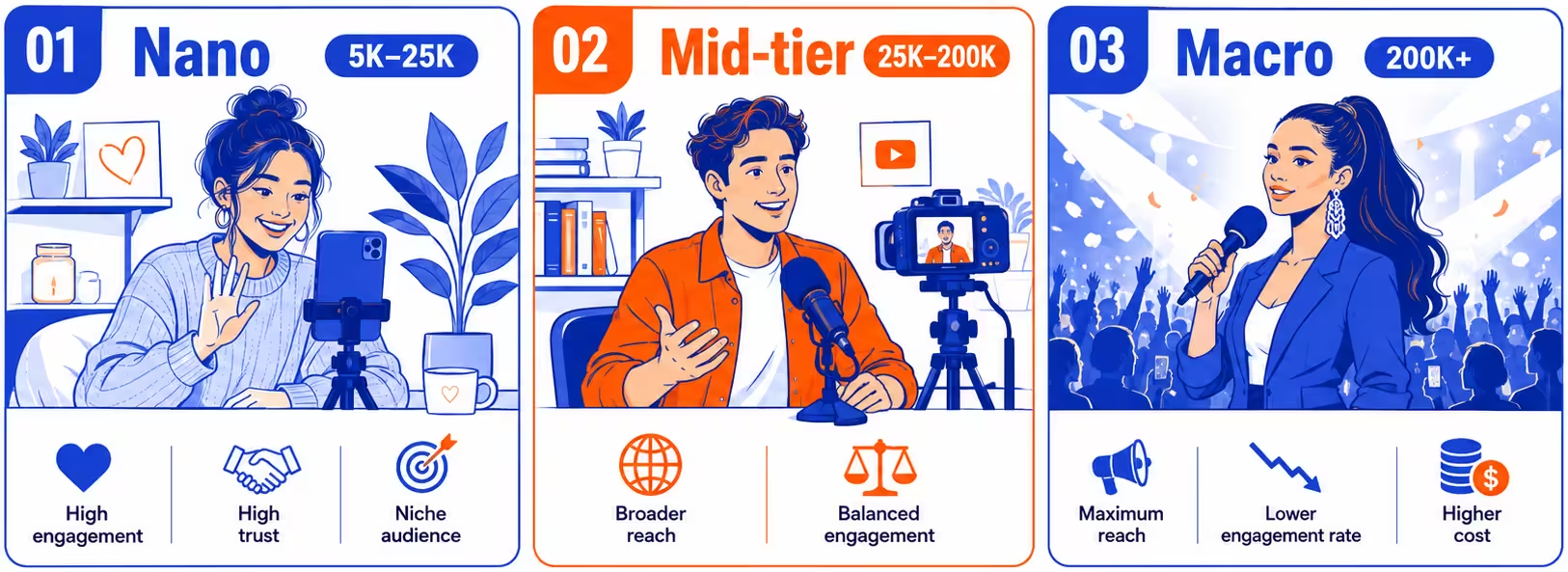
Roughly 50% of Creator Match campaigns now include nano-influencers, typically defined as creators with between 5,000 and 25,000 followers, especially on LinkedIn.
A smaller, highly engaged audience that chose to follow someone is more valuable than a large, passive one that arrived via a single viral moment
Nano-influencers tend to have tighter niche focus, which means higher relevance for specific B2B products
Their audiences trust them more precisely because they haven’t become mass-market personalities
The trade-off in reach is more than offset by the gain in targeting and conversion quality — especially for B2B brands that don’t need to reach everyone, just the right people.
What Type of Content Is Actually Working Right Now?
Audiences have developed a strong tolerance for promotional content, and an equally strong instinct for tuning it out. The content that continues to cut through in 2026 shares one consistent characteristic: it prioritises story over specification.
Format: Video, across the board. Even on LinkedIn, where organic video reach has been inconsistent, brands are prioritising video because it provides credibility, depth, and performs significantly better as ad content.
Style: Personal, story-driven content is outperforming straightforward product demonstrations.
What that looks like in practice:
- Showing how a product fits into someone’s real daily workflow — not a manufactured use case
- Tying a product to a personal moment or challenge the creator genuinely faced
- Letting the creator’s own life be the context for the product story
Does Campaign Timing Actually Matter?
Timing is one of the most debated variables in influencer marketing. Some brands insist on coordinated simultaneous launches. Others post reactively whenever content is ready. The truth sits somewhere more nuanced than either approach.
What the data at Creator Match shows:
Spreading posts out generally works better than simultaneous posting
The only exception is embargoed campaigns, major product announcements where everything going live at the same moment is a deliberate strategy
Individual creators benefit from posting at a consistent personal schedule because audiences build expectations around it.
Evergreen vs Splash Campaigns: Which One Do You Need?
Most brands default to one approach or the other, either running always-on content with no defined moment of impact, or launching intense short bursts with nothing to sustain them. The most effective creator strategies are built around both, with each serving a distinct purpose.
Evergreen campaigns
- Run continuously throughout the year with brand ambassadors
- Build ongoing awareness and familiarity over time
- Work best for trust-building and keeping a brand consistently visible
- Function as the always-on foundation of a creator strategy
Splash campaigns
- Short, high-intensity bursts tied to a specific announcement or moment
- Need to happen fast, ideally within a 48-hour window to maximise impact
- Work best for product launches, major announcements, and time-sensitive moment
What’s the Biggest Misconception Brands Have About Influencer Marketing?
Of all the errors brands make in creator campaigns, this one is the most damaging, and the most common. It shapes how briefs are written, how creators are managed, and ultimately why so many campaigns fail to deliver on their potential.
When brands treat creator partnerships like ad placements, they:
- Try to control the messaging too tightly
- Force narratives that don’t fit the creator’s natural voice
- End up with content that the creator’s audience immediately recognises as inauthentic
- Damage the creator-follower relationship and receive none of the benefit they paid for
The value of creator marketing is the trust a creator has built with their audience. The only way to access that trust is to respect it , which means giving creators genuine room to create.
Should Brands Provide Scripts to Creators?
Brand control is a legitimate concern in creator marketing. There are compliance requirements, messaging standards, and reputational considerations that cannot be ignored. But there is a significant difference between protecting those requirements and writing the creator’s content for them.
The brief should define:
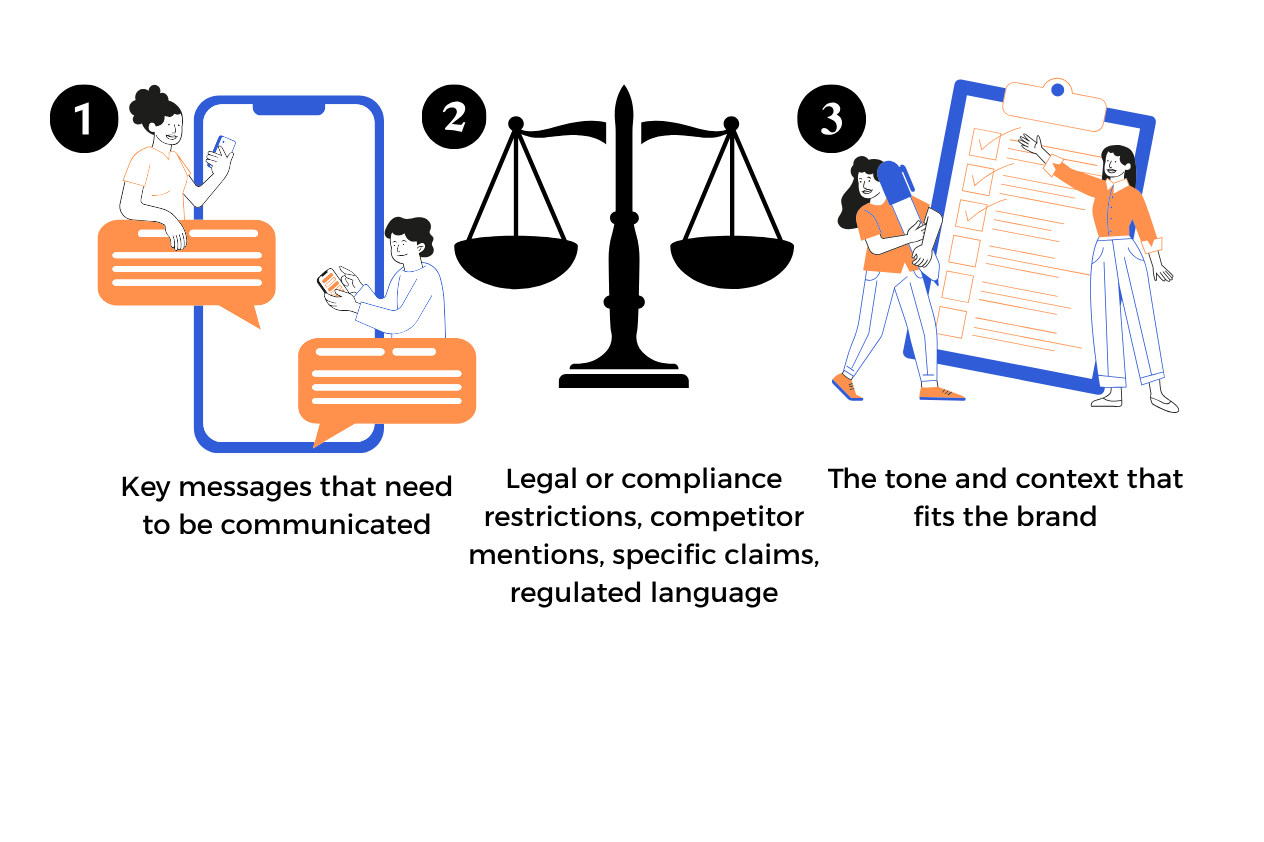
Everything else belongs to the creator. Their voice, their structure, their story. That is the asset being paid for.
Featured Talks: Are 2016 Marketing Trends Actually Back And Should Your Brand Care ft. Katerina Stasiukevich
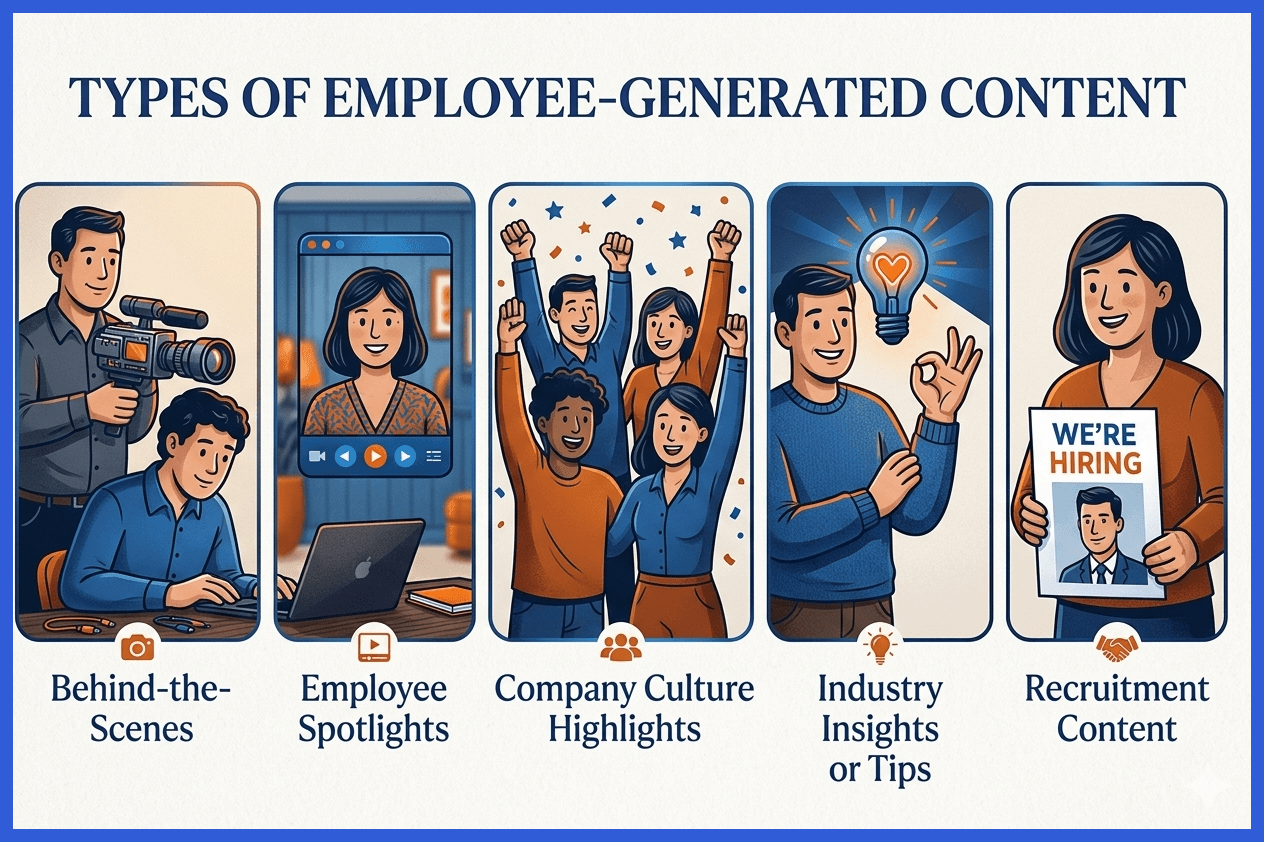
What Role Does Employee-Generated Content Play?
Employee-generated content has moved from an experimental tactic to a genuine strategic priority. For Creator Match, it is a primary source of inbound leads and one of the main channels through which they hire. For brands, it represents an underutilised layer of credibility that external creators alone cannot replicate.
Here are the main benefits of
Employee-generated content does not replace influencer campaigns, it aligns with them
Together they create a surround-sound effect: external creators build reach and awareness, employees add internal credibility and depth
Brands are beginning to invest actual resources in teaching their teams how to post and build personal brands, and that investment is accelerating
How Do You Find Creators That Won’t Fake It?
As AI-generated content and artificial engagement become more sophisticated, authenticating creators has become one of the most important, and most difficult, parts of the sourcing process.
- Try to control the messaging too tightly
- Force narratives that don’t fit the creator’s natural voice
- End up with content that the creator’s audience immediately recognises as inauthentic
- Damage the creator-follower relationship and receive none of the benefit they paid for
Signs a creator is using AI well
- Voice and personality come through clearly and consistently
- Personal experience and specific story are evident throughout the content
- Content feels lived-in rather than generated
How Do You Brief Creators Without Killing Their Creativity?
The brief is where most creator campaigns are quietly won or lost. A well-constructed brief gives creators the context they need to produce great content. An over-engineered one removes the very quality that made the creator worth hiring in the first place.
Creator Match’s approach:
Match creators to briefs before writing the brief
If a creator’s voice would be diminished by the restrictions, they are not put forward for that campaign
Give examples, not scripts
Show the creator what kind of content has worked, then give them freedom to produce their own version
Make it collaborative
Creators submit their concept first, then it gets workshopped before production begins
Be upfront about restrictions
This includes competitors, specific claims, compliance requirements, but keep that list as short as possible
Matching a humour creator to a campaign for a highly regulated financial services brand is always going to be a mismatch. That problem is best solved at the sourcing stage, not the briefing stage.
What Metrics Actually Tell You If a Campaign Worked?
Campaign measurement in influencer marketing is frequently misapplied. Brands trained on paid media bring paid media expectations — direct conversions, cost per acquisition, immediate return on spend. Creator marketing operates on a different logic, and measuring it the wrong way consistently leads to the wrong conclusions.
Track depending on campaign goals
Track depending on campaign goals
Can Startups and Small Brands Actually Afford Creator Campaigns?
Budget is the most cited barrier for startups considering creator marketing. The assumption that influencer campaigns require significant upfront investment keeps many early-stage brands from exploring the channel at all , and according to Tara, that assumption needs revisiting.
Practical strategies for brands with limited budgets
The long-term logic here is compelling: creators who start small and grow carry loyalty to the brands that worked with them before they had leverage. Getting in early is a genuine strategic advantage.
Final Word from Tiffany
The influencer marketing landscape in 2026 rewards brands that trust creators enough to let them create, and creators who are consistent enough to build real audiences over time. The formula hasn’t changed. Execution is still the differentiator.
If you’re a brand: stop treating creator campaigns like ad buys. Start treating them like partnerships.
If you’re a creator: the only difference between where you are and where you want to be is that you started talking about it out loud.